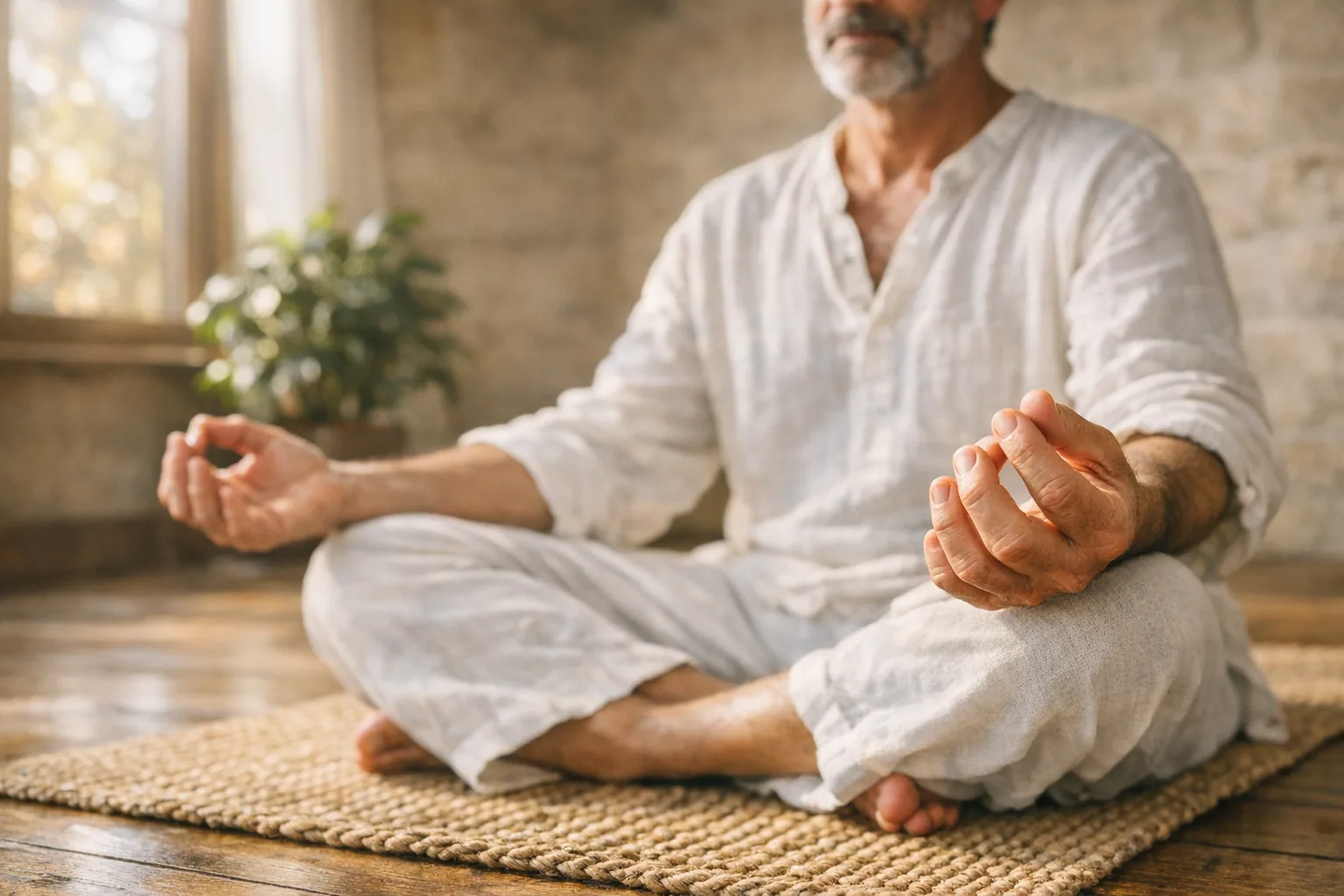
Guides 1 Nov 2024 12 min read
Why More and More People Are Seeking Wellness Retreats
RT
Retiru Team
The Retiru content team — yoga, meditation and ayurveda.
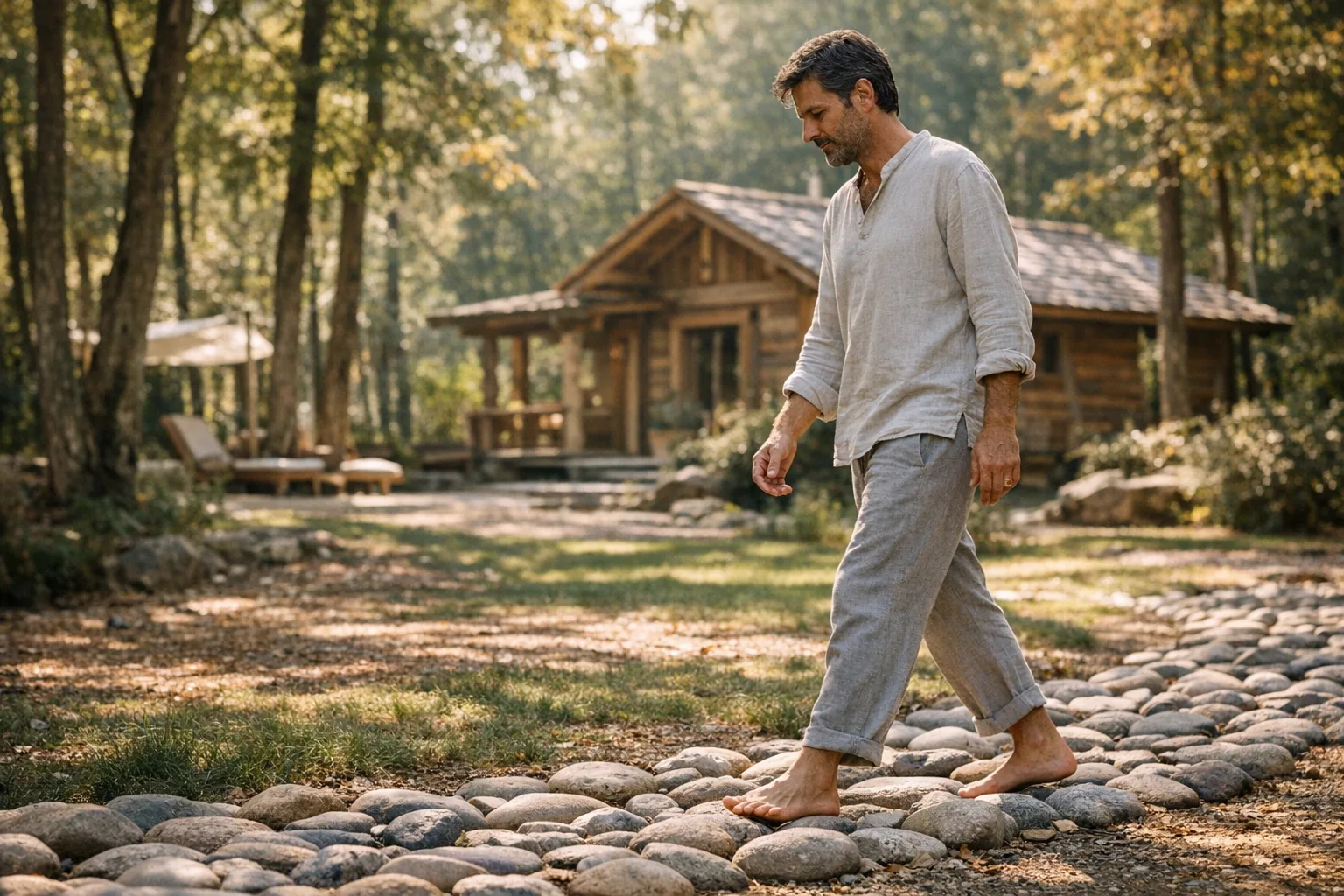
Why More and More People Are Seeking Wellness Retreats
In recent years, the pursuit of well-being has shifted from being an abstract idea to a concrete necessity. Many people no longer just want to “rest” for a few days: they want to truly stop, breathe more calmly, and break away from routine with a real sense of balance. In this context, wellness retreats have moved from being a niche proposal to one of the most sought-after forms of travel, disconnection, and self-care.
It’s not just about doing yoga in a beautiful place or having a quiet weekend. The growing interest in these retreats responds to something deeper: mental exhaustion, digital saturation, sustained stress, lack of time for oneself, and a clearer need for meaningful experiences. That’s why more and more people seek getaways that combine rest, practice, and natural surroundings.
Below, we analyze why this trend continues to grow, which profiles are attracted to it, and what a well-designed wellness retreat really offers.
What is Driving the Rise of Wellness Retreats
The growth of wellness retreats is no accident. It responds to clear changes in the way we live, work, and relate to rest.
1. Mental Fatigue Has Become Everyday
Fatigue no longer appears only after intense physical effort. Today, many people end the week exhausted from the accumulation of meetings, screens, notifications, multitasking, and constant pressure to perform.
In this scenario, a wellness retreat offers something scarce in daily life: mental space. Not just more sleep or better food, but a general lowering of overall stimulation. This pause is especially appealing to those who feel that usual rest —a quick trip, a social plan, a leisure getaway— is no longer enough to regain energy.
2. Growing Need for Digital Detox
Screen time has increased in almost all areas of life. We work, shop, get informed, and entertain ourselves through devices that keep us in a state of constant attention. This hyperconnection can cause saturation, difficulty concentrating, and a feeling of never truly stopping.
Many wellness retreats explicitly include moments without phones, silence, mindfulness practices, or simply a slower pace. They don’t promise to “detoxify” anything literally but do offer a practical experience of digital disconnection that many have been seeking.
If you are interested in this more mindful approach to travel and rest, you can explore more content on the Retiru blog.
3. Well-being Has Gone from a Luxury to a Priority
In the past, booking a few days for well-being might have seemed a luxury reserved for few. Today, many understand it as an investment in their quality of life.
We're not just talking about physical health. More and more readers look for experiences that help them sleep better, organize their mind, reconnect with their body, or improve habits they have been carrying for some time. Wellness retreats fit well into this logic because they combine rest, guided practice, and a cared-for environment.
4. Experience Is Valued More Than Conventional Tourism
Traditional travel, based on visiting many places in a short time, has lost appeal for part of the public. In its place, interest is growing for slower, more meaningful experiences aligned with personal values.
A wellness retreat is not measured just by the destination, but by how it makes the stay feel. The quality of guidance, type of practice, food, surroundings, silence, group, and overall rhythm matter. That combination makes the trip more than a getaway.
What a Person Really Looks for When Booking a Wellness Retreat
Although it may seem from the outside that everyone seeks the same thing, that’s not the case. Behind the search for a “wellness retreat” lie different motivations.
Deep Rest
Many come to a retreat because they need to stop. They don’t necessarily aim to learn a new discipline but to rest more fully than in a conventional getaway.
Reconnect with Healthy Habits
Others seek to resume routines that are difficult to maintain at home: practicing yoga regularly, meditating, eating better, walking unhurriedly, or simply getting up and going to bed at more stable times.
Distance from a Life Stage
Some come to a retreat during times of transition: job changes, breakups, professional burnout, important decisions, or feelings of being stuck. They don’t always look for concrete answers but for a place to think more clearly.
Starting from Scratch in Wellness
Some approach the wellness world for the first time and need a friendly environment to begin. In these cases, retreats are valued for their accessibility, clarity, and the possibility of trying without pressure.
If you are at this exploration phase, it might help to review different retreat options on Retiru and compare formats, disciplines, and approaches.
Why a Wellness Retreat Is Seen as More Useful Than a Regular Vacation
Vacations are necessary but don’t always solve what a person needs. In fact, some trips entertain but don’t rest. This is where wellness retreats find their place.
They Have a Clear Purpose
A retreat is not just “being somewhere else.” It usually has a defined intention: rest, practice, learn, reconnect, silence external noise, or cultivate presence. That orientation gives structure to the experience and helps participants not have to improvise all the time.
They Reduce Decision Fatigue
Every day we make hundreds of small decisions. In a well-organized retreat, many disappear: schedules, meals, sessions, pause moments. This simplification can be deeply restful for mentally saturated people.
They Encourage Real Immersion
When the setting supports it —nature, silence, quiet accommodation, small group— it becomes easier to enter another rhythm. Radical transformation isn’t necessary for the experience to be noticeable: it’s enough that the context allows slowing down a bit.
They Allow Living Well-being in Community
Many people find it hard to maintain wellness habits alone. A retreat can offer just that: a temporary community, without unnecessary social demands, where practicing with others creates a feeling of support.
The Role of Nature in the Rise of Retreats
The pursuit of well-being is closely linked to the desire to return to natural environments. Mountains, forests, coasts, open fields, or rural spaces aren’t just pretty backgrounds: they influence the perception of rest.
The World Health Organization has highlighted in several studies the value of healthy environments for general well-being, and although a retreat doesn’t replace habits or professional care, it can offer a pause experience that many associate with subjective improvements in mood and stress levels. You can consult general health and well-being information on the WHO website.
In Spain, this connection between well-being and territory is especially strong. The variety of landscapes allows designing very different retreats: from escapes by the sea to proposals in inland areas with much silence and wide-open spaces. If you seek inspiration by region, you can explore Retiru destinations.
What Types of Wellness Retreats Attract the Most People Today
The term wellness is broad. Within it coexist very different proposals, which also explains part of its success: there is a format for every need.
Yoga Retreats
These remain among the most sought after. They attract people who want to improve their practice, start with good guidance, or simply combine movement, rest, and nature. A good yoga retreat doesn’t limit itself to chaining classes: it includes integration time, rest, and a sustainable rhythm.
Meditation Retreats
These increasingly appeal to those who want to learn to observe the mind without so much external stimulation. It’s not about “emptying the head,” but about creating spaces of silence, attention, and presence. They work well for people who need to slow down and organize mental noise.
Silence Retreats
There is growing demand among people with heavy mental load or prior experience in contemplative practices. Silence may seem demanding at first, but when well-guided, it offers a form of rest unusual in modern life.
Ayurvedic Retreats
The presence of Ayurveda in the wellness landscape has grown in Spain, especially in proposals combining diet, treatments, rest, and personalized routines according to this tradition’s philosophy. It is advisable to attend centers and organizers who explain clearly what they offer and don’t overstate benefits.
Weekend Retreats
These are very popular because they fit tight schedules. They allow a brief, accessible experience that is easy to integrate without requiring long vacations. For many, these are the gateway to the retreat world.
If you are one of those seeking a short but well-chosen getaway, it can be helpful to check out the centers available on Retiru and compare location, approach, and type of experience.
Who Is Mostly Looking for These Retreats
The demand for wellness retreats is very diverse, but some profiles frequently appear.
Highly Stressed Professionals
People who work long hours, constantly make decisions, or feel they live in productivity mode find these retreats a way to slow down before “getting worse.”
People Wanting to Change Habits
Those wanting to incorporate yoga, meditation, or self-care routines usually find it easier to take the step in a guided environment than at home, where distractions abound.
Travelers Who Prioritize Meaningful Experiences
This profile doesn’t seek to accumulate plans but live something personally coherent. Values calm, silence, close attention, and consciously designed travel.
People Seeking Personal Reconnection
Without dramatizing, many come to a retreat because they feel they have drifted away from themselves. They want to stop, listen to their body, and regain perspective.
Wellness Beginners
More and more people who have never done yoga or meditation approach a retreat as their first contact. This forces organizers to offer inclusive, clear, and non-intimidating proposals.
What Makes a Wellness Retreat Truly Valuable
Not all retreats offer the same quality, although from the outside they may seem similar. The difference usually lies in the details.
A Well-Balanced Program
The agenda should combine activity and rest. An overly packed retreat can generate tiredness instead of recovery. Ideally, there should be space to integrate what has been experienced.
A Clear Focus
Participants should easily understand what kind of experience they will live: more physical, more meditative, more restorative, more educational, or more introspective.
A Coherent Environment
The quality of the space matters a lot. Not only for aesthetics but for tranquility, comfort, cleanliness, nutrition, and general care.
Professional Guidance
When there are teachers, therapists, or facilitators, their experience and way of leading make a big difference. The human tone and clarity are as valuable as technical content.
Realistic Expectations
A retreat doesn’t solve anyone’s life in two days. But it can be a support point, a pause experience, and a reminder that well-being needs space.
How to Choose a Wellness Retreat If It’s Your First Time
If you have never been to one, it’s worth starting with what you truly need, not what sounds best in a pretty publication.
Ask Yourself What You Want to Achieve
Rest? Movement? Silence? Digital disconnection? Learn something new? The answer greatly guides your choice.
Consider the Duration
A weekend can be enough for a first approach. If you need a deeper change, a longer experience might interest you.
Check the Level of Demand
Some retreats are designed for people with prior practice; others are suitable for beginners. The important thing is that the level matches you.
Value the Environment and Logistics
Sometimes the best retreat isn’t the most spectacular but the one that is really accessible and compatible with your life moment.
Read Carefully What Is Included
Meals, activities, accommodation, transportation, individual sessions, or materials. Transparency helps avoid disappointments.
The Growth of the Wellness Sector Also Reflects a Search for Trust
Not only does demand for retreats grow, but also the need to find serious, well-explained, and reliable proposals. In an increasingly broad market, people want to know who organizes, where it takes place, what training the team has, and what exactly they can expect.
That’s why it makes sense to use platforms that help compare options with criteria, whether you are looking for an experience or are a center or organizer. If you work in this field and want to give visibility to your proposal, you can check the Retiru for organizers section.
Spain, a Country Especially Favorable for These Types of Experiences
Interest in wellness retreats is growing in Spain for an additional reason: the country combines very favorable conditions for this type of tourism.
There is landscape diversity, good access from many cities, tradition in inland tourism, and a growing offer of spaces dedicated to yoga, meditation, and other wellness practices. Moreover, autonomous communities, provincial councils, and tourism offices promote official resources on routes, nature, and heritage, which facilitates designing attractive and well-located experiences. A good starting point to learn more about the territory is the official Tourism of Spain portal.
This combination of accessibility, climate, nature, and culture makes retreats not just an imported trend but an increasingly natural way to travel within the country.
Conclusion: More Than a Trend, a New Way to Stop
More and more people seek wellness retreats because they need something that conventional rest doesn’t always provide: a pause with intention, a cared-for environment, a concrete practice, and a space where life’s pace truly loosens.
Behind this search, there is fatigue, yes, but also a more conscious will to live better. That explains why yoga, meditation, silence, or Ayurveda retreats continue gaining ground: they respond to a real need, not a passing fashion.
If you are thinking about doing one, the important thing is not to choose the flashiest retreat but the one that best fits your moment. Explore, compare, and let the experience help you find the kind of rest you really need. You can start discovering options on the Retiru homepage or browse the catalog of available retreats to find a proposal aligned with you.
Ready for your next retreat?
Explore hundreds of retreats across Spain with transparent pricing.
Explore retreats