Benefits of Attending a Wellness Retreat
Retiru Team
The Retiru content team — yoga, meditation and ayurveda.
Benefits of Attending a Wellness Retreat
Attending a wellness retreat is not just about “taking a few days off.” For many people, it is a concrete way to regain focus, slow down, and step out of autopilot with a structure that truly facilitates it. Compared to a conventional getaway, a wellness retreat usually offers something more intentional: rest, practice, silence, gentle movement, mindful eating, and an environment that supports sustaining different habits for a limited time.
Therefore, when someone seeks to understand the benefits of a wellness retreat, the answer is not a generic list of advantages. It depends on the type of retreat, the main discipline involved—yoga, meditation, Ayurveda, silence, mindful hiking, digital detox—and, above all, what each person needs at that moment. Still, there are quite common effects that explain why this format has gained so much traction in wellness tourism both in Spain and abroad.
If you are considering such an experience, it is worth looking beyond the aesthetics of the place. A good wellness retreat can help you rest more deeply, organize habits, reconnect with your body, and return with a sense of clarity that is hard to achieve on an ordinary weekend. In this guide, we explain what real benefits you can expect, what should not be idealized, and how to choose an option that fits you.
What a Wellness Retreat Really Offers
A wellness retreat works because it combines several factors that, individually, are already helpful but together create a very favorable context: change of environment, reduction of stimuli, simpler routine, professional guidance, and time dedicated to practices we often postpone in daily life.
Practically, this usually translates into:
- more mental rest
- less exposure to screens and notifications
- greater presence in the body
- better quality of attention
- more regular sleep habits during those days
- a more conscious relationship with food, movement, and rest
It is not about promising deep transformations in 48 hours. But it is reasonable to say that a well-designed retreat can act as a turning point: a pause that allows you to see with more clarity how you are living and what you need to adjust upon returning.
Most Common Benefits of Attending a Wellness Retreat
- Disconnecting from Everyday Noise
One of the most valued benefits is disconnection. Not only digital disconnection, although that too is important. Talking about everyday noise includes tight schedules, multitasking, constant decisions, pending messages, and the feeling of always being available.
On a wellness retreat, simply stepping out of that context already reduces part of the mental load. If, in addition, there are gentle rules for digital detox, silence at certain times, or a clear schedule, the brain stops being so scattered. This reduction of stimuli does not “cure” stress but can significantly alleviate it.
For those living with sustained overload, this rest for attention is one of the greatest gifts of the retreat.
- Sleeping Better and Resting More Deeply
Sleeping well during a retreat is not guaranteed, but many people experience improvements in rest thanks to several factors: fewer screens at night, more regular schedules, moderate physical activity, lighter meals, and a quieter environment.
When the body stops being so activated, sleep usually organizes more easily. It is not uncommon to find it difficult to “slow down” the first day, and from the second or third night, a more restoring rest often appears.
In this sense, the retreat can act as a kind of reset for nighttime habits, especially useful for those who come with mild insomnia, fragmented sleep, or fatigue accumulated due to overstimulation.
- Regaining Mental Clarity
In a simpler environment, the mind has fewer layers to manage. That is why many people return from a retreat with a feeling of clarity they do not always know how to explain precisely but can recognize: less internal noise, more perspective, and a greater capacity to prioritize.
This happens especially in retreats that combine meditation, journaling, mindful walks, or silent spaces. It is not magic; it is the consequence of lowering the external volume so that a clearer perception of the internal, even if only for a few hours, can appear.
This clarity does not always translate into immediate big decisions. Sometimes it is enough to identify what is draining you, what habit you want to change, or what you need to stop postponing.
- Listening to Your Body Again
Daily life makes it easy to overlook basic bodily signals: tension, tiredness, true hunger, the need to move, to stop, or to breathe better. A wellness retreat helps recover that awareness because it incorporates simple body practices and because the overall pace allows for greater perception.
In a yoga, mindful movement, or meditation retreat, this reconnection is usually evident. But it also happens in getaways focused on nature, rest, or Ayurveda. Eating without rush, walking calmly, stretching in the morning, or simply sitting without interruptions can make sensations that we normally ignore reappear.
It is not about “healing” the body medically. It is about inhabiting it again with more presence.
- Reducing the Feeling of Overwhelm
Feeling overwhelmed does not always manifest as intense anxiety. Sometimes it appears as constant tiredness, difficulty concentrating, irritability, scattered attention, apathy, or the feeling of not keeping up. A wellness retreat can relieve this state because it organizes daily experience and removes pressure from the mind.
The structure of a retreat is usually simple: specific times to practice, eat, rest, and sometimes share. This simplicity is very valuable for people who live with too many decisions and demands at once.
It is not a definitive solution, but it is a way to create a healthy distance from excessive stimuli.
- Resuming Habits That Are Hard to Sustain at Home
Many people do not seek a retreat just to rest but to remember what a healthier routine feels like. For a few days, it is easier to wake up calmly, eat better, drink water regularly, meditate, read, walk, or do yoga without interruptions.
The key is that the retreat does not force but facilitates. That nuance is important. Since you do not have to fit all those practices into a normal workday, the body and mind can experience what living with a different rhythm would be like.
This experience can be very helpful upon returning home because it provides concrete references to reorganize the week with more intention.
- Creating an Emotional Pause
Beyond physical rest, a wellness retreat can offer a space that is emotionally cleaner. There are fewer urgencies, fewer simultaneous roles, and less social pressure. This allows you to feel with more space: from relief to sadness, from internal silence to gratitude.
In silent or meditation retreats, this emotional dimension can become especially visible. In more active retreats, emotional load expresses itself differently: relaxation, openness, released tiredness, or the need to let go. All of that is part of the process.
It is worthwhile not to idealize this point. Not every retreat is “therapeutic” nor should everything that appears there be interpreted as transformation. But it can be an opportunity to observe yourself with less interference.
- Improving Your Relationship with Yourself
One of the most valuable benefits of a wellness retreat is that, for a few days, many people stop treating themselves as a to-do list. This shift in focus matters. Moving from self-demand to self-care does not solve all internal conflicts but changes the tone with which you inhabit yourself.
When the retreat is well-designed, it does not revolve around “doing more” but about feeling better: more conscious, more present, and less reactive. That experience can help revise how you talk to yourself, how you demand from yourself, and how you allow yourself to rest.
Benefits According to the Type of Wellness Retreat
Not all wellness retreats offer the same benefits. Choosing well means understanding what kind of benefit you are looking for.
Yoga Retreats
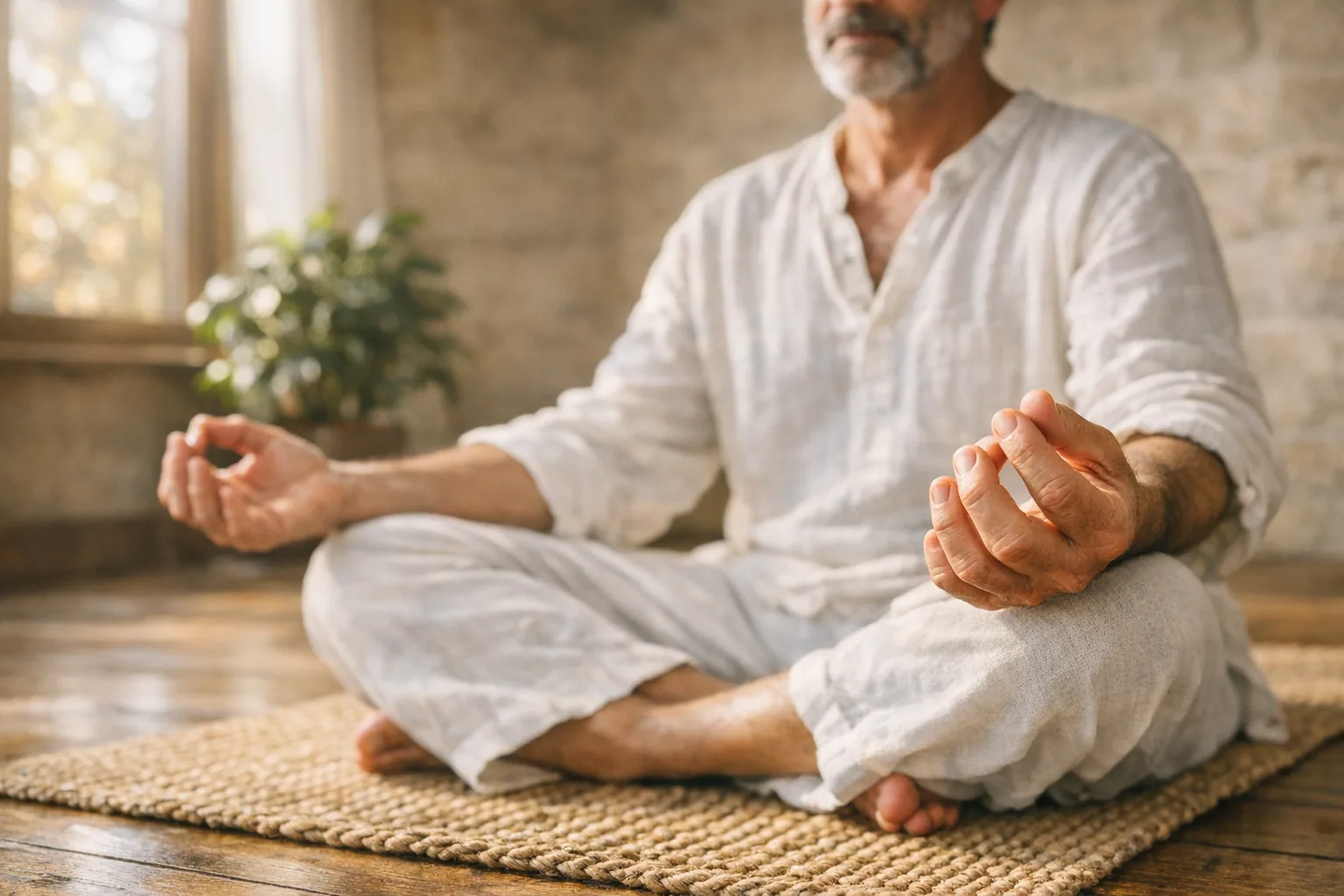
Yoga retreats usually combine physical practice, breathing, rest, and living together in a calm environment. They can help improve mobility, refine body awareness, and release accumulated tension, always within an experience oriented toward overall well-being.
They are a good option if you are looking for mindful movement, routine, and a balance between activity and rest.
Meditation Retreats
Meditation retreats tend to be more introspective. They often include silence, guided sessions, periods of observation, and fewer external stimuli. They are especially interesting for those seeking mental clarity, gentle discipline, and a calmer relationship with thought.
If you are interested in exploring this type of experience, you can discover different options in the available retreats section or explore the Retiru blog to better understand each format.
Silence Retreats
Silence is a powerful tool when properly supported. In a silence retreat, the absence of conversation helps reduce distraction and listen better to what is usually covered up by constant interaction.
It is not a format for everyone but suits people who need to drastically lower external noise and accept a sparser, contemplative experience.
Ayurveda Retreats
Ayurveda retreats often focus on balance, diet, habits, and integral care, depending on the center's approach and the professionals involved. They are interesting for those seeking an experience oriented toward restoring healthy routines and mindful self-care.
If you want to compare options, it is worth reviewing centers and proposals in specialized centers and understanding what kind of support each offers.
Nature Wellness Getaways
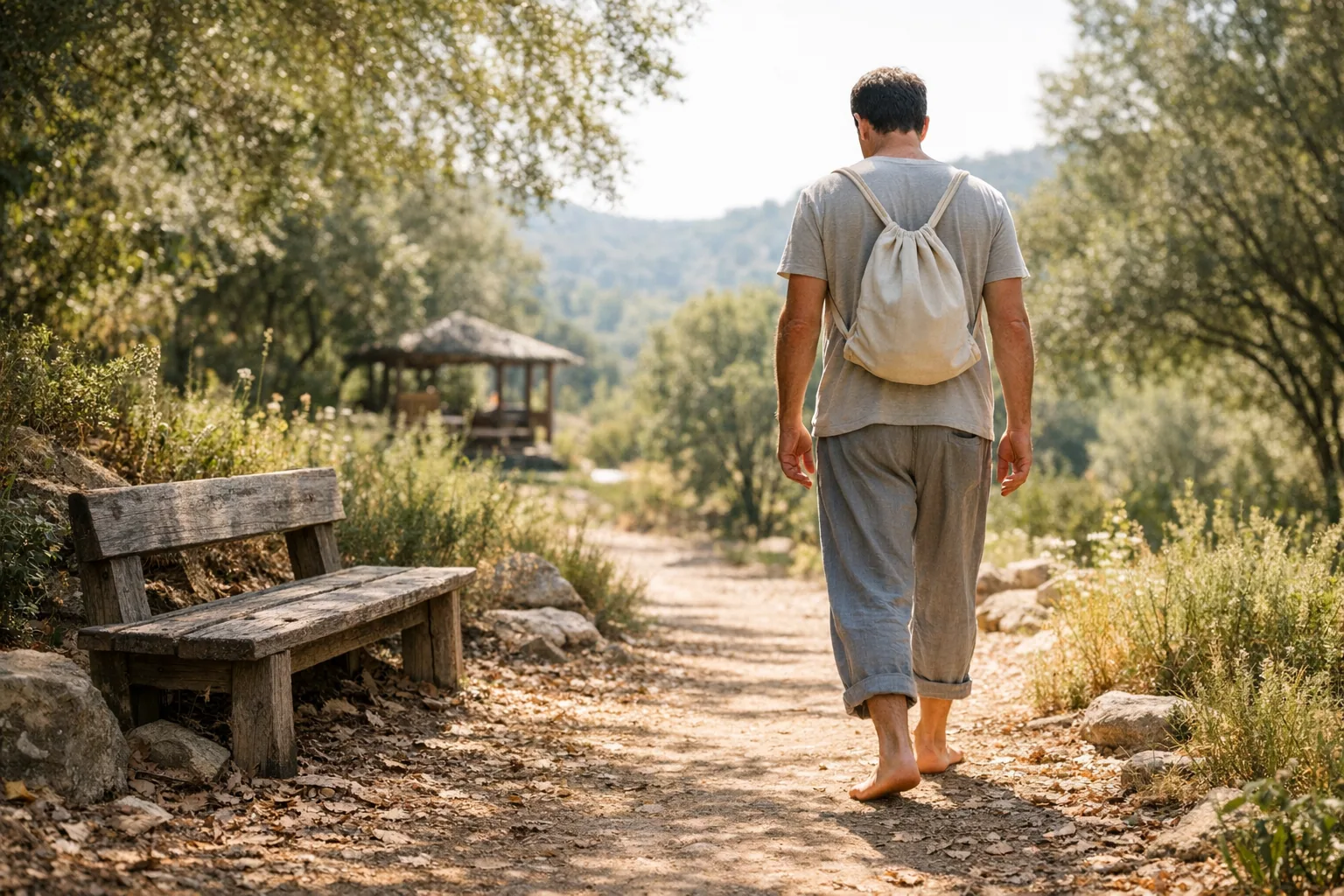
Sometimes the main benefit is not the practice but the location. A retreat in a natural environment—mountains, coast, forest, or rural inland—multiplies the feeling of pause. Walking, breathing clean air, sleeping away from urban noise, and looking at an open landscape has a very powerful effect on the perception of time.
If inspiration by location is what you seek, you can check wellness destinations in Spain and consider which environment fits you best.
Which Benefits Are Supported and Which Should Be Interpreted with Caution
In wellness, accuracy is important. A wellness retreat can be associated with improvements in perceived stress, rest, attention, or balance sensation, but that does not mean it is a universal solution or a substitute for professional care when there is a specific health need.
From a responsible perspective, it is worth distinguishing between:
- subjective benefits: feelings of calm, clarity, rest, reconnection
- practical benefits: less screen time, more routine, better sleep hygiene, more movement
- potential benefits: greater capacity for observation, less overwhelm, more self-care
Organizations like the World Health Organization emphasize the importance of managing stress with practical tools and protective habits. You can consult general resources at the WHO. And if you are interested in the broader context of tourism and travel experience, it is also useful to review official information from public organizations like Turespaña.
The key point is not to turn the retreat into a medical promise. Its value lies in context, practice, and experience—not in guaranteed results.
How to Choose a Wellness Retreat That Truly Benefits You
Choosing well makes the difference between an experience that recharges you and one that simply gets you out of the house. To fine-tune your decision, keep these criteria in mind:
- Define What You Need Now
It is not the same to seek rest, silence, movement, inspiration, or a pause to organize habits. The clearer your goal, the easier it will be to choose the right retreat.
- Consider the Level of Intensity
There are very gentle retreats and others very structured. If you arrive tired or overwhelmed, a gentler option might suit you better. If you want to go deeper, you can look for an experience with more practice and fewer distractions.
- Review the Environment and Accommodation
The place matters as much as the program. A quiet, cared-for space consistent with the type of retreat can greatly enhance the experience. Conversely, an unsuitable environment can diminish benefits even if the content is good.
- Pay Attention to Who Guides the Retreat
The profile of the retreat leaders is key. It is not just about qualifications, but also style, experience, and ability to support the group. Reading the organizer’s information carefully helps avoid unrealistic expectations.
- Check the Daily Structure
Are there enough spaces to rest? Is practice mandatory or flexible? Are there moments of silence? How are meals organized? The structure directly influences the quality of the experience.
If you are an organizer and want to promote a well-defined proposal, you can visit the for organizers section, designed to share retreats with an audience interested in wellness and mindful getaways.
Benefits of a Wellness Retreat for Different Profiles
If You Live with High Stress
It can help you lower intensity, rest, and observe at a distance what is overloading you.
If You Have Been Disconnected from Your Body for a Long Time
A retreat with yoga, movement, or nature can be a good way to regain bodily awareness.
If You Feel Mentally Overwhelmed
The combination of silence, less screen time, and simplicity is usually especially beneficial.
If You Seek Inspiration to Change Habits
A retreat can offer a realistic context to try new routines without the usual daily pressure.
If You Just Need to Pause
Sometimes you don’t need a big reason. You need rest, period. And a well-chosen retreat can be a sensible way to grant it to yourself.
What Not to Expect from a Wellness Retreat
It is also important to set boundaries around the idea of a retreat. Not everything will be resolved in a few days, and not all formats fit all people.
Do not expect:
- an automatic transformation
- medical solutions
- definitive answers to complex problems
- an intense experience if you seek rest
- a compulsory feeling of “rebirth”
The most valuable aspects are usually more subtle: better rest, clearer thinking, lower noise levels, and a more honest relationship with your rhythm.
How to Make the Most of Your Retreat Benefits
For the experience to truly pay off, it helps to arrive with less mental rush. Some simple keys:
- avoid scheduling your return with too much pressure
- arrive with realistic expectations
- leave space to rest between activities
- participate with openness, without demanding “perfect” performance
- jot down ideas or feelings if it helps integrate them afterward
Often, the benefit doesn’t end when you leave the retreat. The most interesting part begins afterward, when you try to sustain a small part of what you experienced in your daily life.
Conclusion: A Pause That Can Change Your Rhythm
The benefits of attending a wellness retreat are less about escaping life and more about returning to it with more inner space. Better rest, disconnecting from noise, regaining mental clarity, listening to your body, and reviewing habits are some of the most common effects when the retreat is well designed.
You don’t have to experience it as an extreme event for it to be useful. Sometimes, a few well-thought-out days of pause are enough to feel the body breathe differently and the mind slow down. If you are at that point, it might be a good time to explore retreats in Spain, discover wellness centers, or get inspired with new ideas on Retiru.
Ready for your next retreat?
Explore hundreds of retreats across Spain with transparent pricing.
Explore retreats