What a Wellness Retreat Is and What to Expect
Retiru Team
The Retiru content team — yoga, meditation and ayurveda.
What a Wellness Retreat Is and What to Expect
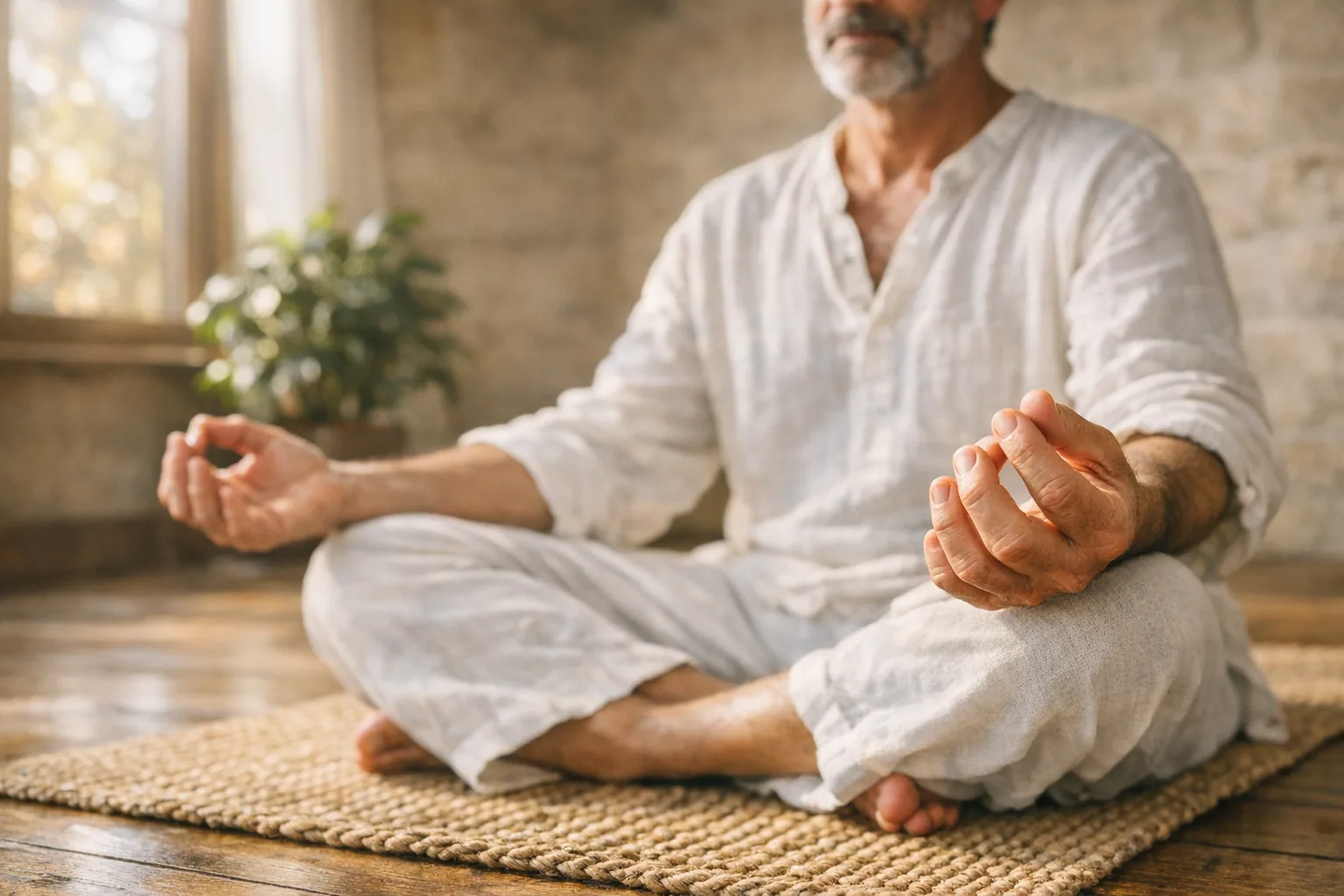
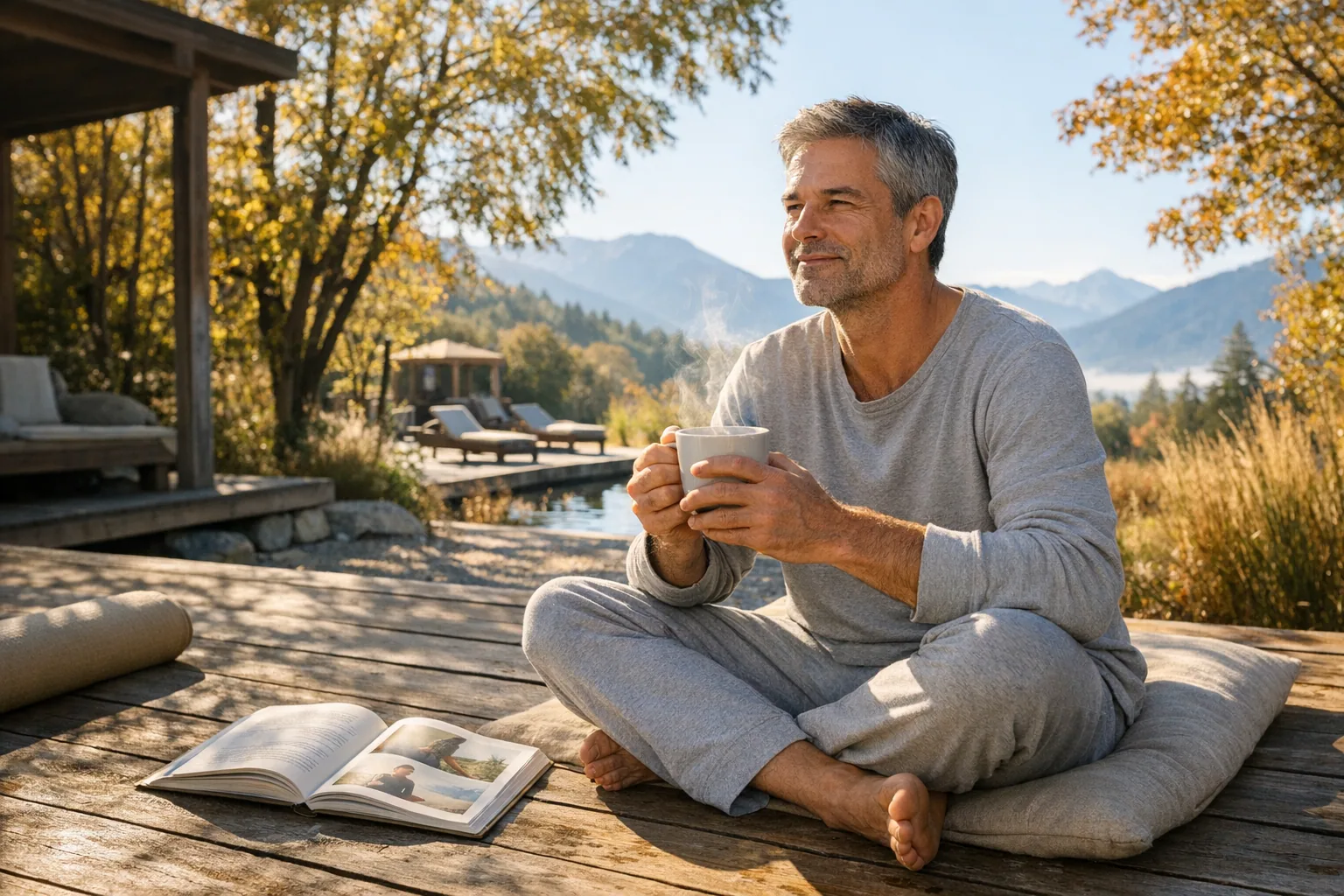
A wellness retreat is not just "a few days to rest." It is an intentional pause designed to step out of your usual rhythm, sleep better, eat more mindfully, move your body differently, and regain some mental clarity. For some people, it is a first encounter with yoga, meditation, or self-care; for others, a way to disconnect from work, digital noise, or an especially intense stage.
The idea of wellness in this context is not about doing more, but simplifying. A wellness retreat usually includes accommodation, meals, guided activities, and a peaceful environment to promote physical rest and mental disconnection. Depending on the format, it may include practices such as yoga, meditation, gentle hiking, breathing exercises, healthy habits workshops, or even proposals linked to Ayurveda, silence, or nature.
If you're thinking about experiencing one for the first time, here you will find a clear guide on what exactly a wellness retreat is, what it typically includes, and what you can expect from the experience. It will also help you distinguish between different available options and choose more wisely. If you want to start exploring specific proposals, you can check the available retreats or discover wellness getaway destinations.
What Is a Wellness Retreat
A wellness retreat is a temporary stay focused on integral well-being. The term wellness is used to describe a broad approach to health and personal balance, combining rest, mindful eating, movement, mindfulness practices, and quality time away from routine.
Unlike a conventional tourist trip, the main goal is not to visit many places or pack many activities, but to create conditions to pause, breathe, and take care of yourself. This can mean a weekend break in nature, a getaway with yoga and meditation sessions, a longer stay focused on healthy habits, or a more specialized experience such as a silent retreat or a proposal inspired by Ayurveda.
In practice, a wellness retreat can take many different forms:
- weekend getaways
- yoga retreats
- meditation retreats
- silent retreats
- rest and digital detox programs
- stays focused on mindful eating or healthy cooking
- proposals in rural, coastal, or mountain settings
There is no single correct format. What matters is that the experience is designed to promote well-being without creating pressure to "make the most of every minute."
What to Expect from a Wellness Retreat
Although each retreat has its own focus, there are elements that frequently repeat. Understanding them will help you arrive with realistic expectations.
- A Slower Pace
The first thing that usually changes is the pace. On a wellness retreat, the day is generally organized more slowly than daily life. There are schedules, yes, but they are usually designed to provide space for rest and avoid the feeling of a packed agenda.
It is common for the program to combine:
- morning sessions
- free time between activities
- shared meals
- moments of silence or calm
- gentle practices at the end of the day
This decrease in intensity does not mean inactivity but a different way of experiencing time.
- Wellness-Oriented Activities
The retreat’s content depends on the type of proposal. Some experiences focus on yoga and meditation; others integrate mindful walking, breathing workshops, journaling, gentle movement, or relaxation techniques.
Generally, you can expect activities such as:
- yoga for different levels
- guided or silent meditation
- pranayama or breathing exercises
- mindfulness
- nature baths or gentle hiking
- wellness workshops
- personal reflection spaces
If you are interested in deepening your knowledge of specialized centers, it may be useful to explore yoga, meditation, and wellness centers and compare the types of experiences each offers.
- Thoughtful Nutrition
Many wellness retreats include healthy cooking, balanced menus, and meals made with local or seasonal ingredients. In some cases, the proposal is vegetarian or vegan; in others, it simply aims to be light and consistent with the rest focus of the retreat.
Keep in mind that “healthy eating” does not mean the same in all contexts. It can range from balanced homemade cuisine to a more specific approach linked to Ayurveda or mindful digestion. If nutrition is important to you, always check in detail what the program includes.
- Fewer Stimuli, More Presence
One of the most valuable features of a wellness retreat is the reduction of stimuli. Fewer screens, fewer interruptions, fewer urgent decisions. This simplification helps many people notice more clearly how they feel when they stop operating on autopilot.
Not all retreats are strictly silent or require total mobile disconnection, but many do encourage habits that reduce mental noise. This structure can be very helpful if you come from a stage of stress, fatigue, or overload.
- Professional Guidance
In a good retreat, activities are led by experienced people in their disciplines. These can be yoga teachers, meditation facilitators, body therapists, nature guides, or wellness professionals.
It’s important to pay attention to the quality of the guidance and the clarity of the program. A serious retreat does not promise miracles or instant changes; it offers a carefully designed framework so each person can live their experience at their own pace.
What a Wellness Retreat Is Not
It is also helpful to clarify what a wellness retreat should not be confused with.
It is not a medical solution or clinical therapeutic treatment. It can contribute to rest and subjective well-being but does not replace medical care nor guarantees specific results.
Nor is it necessarily an intense spiritual experience. Some retreats include a more introspective dimension, but others are completely secular and practical. Usually, the focus is on everyday well-being, not on mandatory deep transformation.
Above all, it should not be a performative activity. It is not about "doing the retreat right" or proving anything. A good retreat works best when it allows you to lower demands, not increase them.
Who Is It For
A wellness retreat can fit very different profiles:
- people who genuinely need rest
- those who want to start practicing yoga or meditation
- people interested in healthy habits
- travelers seeking a quiet escape in nature
- those who desire time for silence or introspection
- teams or professionals needing to reset their pace
- people looking for an uncomplicated wellness experience
You don’t need to be an expert in yoga, meditate daily, or have prior experience. In fact, many retreats are designed precisely for beginners. What matters is choosing a format that suits your life moment and current energy.
How to Choose the Right Wellness Retreat
Choosing well makes a big difference. Not all retreats pursue the same goals, nor do all participants seek the same experience.
Define Your Goal
Ask yourself what you need right now:
- to rest
- to move your body
- to disconnect from your phone
- to learn how to meditate
- to spend some days in silence
- to reconnect with nature
- to share an experience with a group
The clearer you are about your goal, the easier it will be to filter options.
Check the Level of Intensity
Some retreats are gentle and flexible; others have a more demanding structure. Pay close attention to:
- schedules
- length of activities
- number of sessions per day
- free time available
- whether there is silence or not
- if practices are suitable for beginners
Consider the Setting
The place matters. A mountain retreat is not the same as one by the sea or in a very isolated rural setting. The environment can greatly influence your experience, both in terms of rest and inspiration.
If you want to compare locations and atmospheres, it’s worth reviewing retreat destinations in Spain and evaluating which type of landscape helps you disconnect best.
Read Carefully What’s Included
Before booking, always confirm:
- accommodation
- meals
- activities
- materials
- transfers
- arrival and departure times
- cancellation policy
- whether rooms are shared or private
Practical details significantly affect the quality of the experience.
Check Who Organizes It
The background of the organizing team matters as well. A well-designed retreat usually has coherence between its message, program, and space. If you are an organizer and want to promote your proposal, you can learn more about how to join the platform.
Types of Wellness Retreats You Can Find
Within the wellness umbrella, there are very different proposals. These are some of the most common.
Yoga Retreats
Usually combine physical practice, breathing, relaxation, and sometimes meditation. They can be gentle or intensive and adapt to different levels.
Meditation Retreats
Focus on cultivating attention, silence, and inner observation. Some are introductory; others are designed for people with previous practice.
Silent Retreats
Minimize verbal communication to encourage internal listening. Not for everyone, but very valuable for those seeking a deep pause.
Ayurveda Retreats
Inspired by this Indian tradition and usually incorporate diet, rest, daily routines, and practices associated with balance. It is important to carefully review what each proposal specifically includes because the term’s use can vary greatly.
Wellness Getaways
Tend to be shorter and more flexible. Ideal for those who can’t dedicate many days but want to return home feeling calmer.
What Benefits You Can Realistically Expect
A wellness retreat can bring several things, though the effects will vary from person to person. It is more reasonable to talk about possibilities rather than guarantees.
Among what many people appreciate are:
- a deeper sense of rest
- increased body awareness
- a better relationship with time and routine
- disconnection from daily stress
- space to reflect with less noise
- motivation to resume healthier habits
Research on mindfulness and attention practices suggests potential benefits in certain contexts, although results depend on the type of practice, consistency, and individual factors. If you want to understand this basis better, you can check reference resources such as Mindfulness or read evidence-based health and wellness publications such as those from the National Center for Complementary and Integrative Health.
Still, it is important not to idealize the experience. Sometimes a retreat does not produce a great revelation but something more subtle: better sleep, less internal noise, clearer ideas, or simply returning with more energy. And that can already be a lot.
What to Bring to a Wellness Retreat
Preparing well helps you enter the experience with less friction. In general, it is advisable to bring:
- comfortable clothing
- a layer for cool mornings or evenings
- suitable footwear if there will be walks or nature outings
- reusable water bottle
- notebook and pen
- personal hygiene items
- any materials indicated by the organizer
- mobile phone if you intend to use it sparingly and really disconnect
If the retreat includes yoga, it’s usually helpful to ask if you need to bring a mat, cushions, or a blanket. They are not always provided.
Wellness Retreats in Spain: What’s Special About Them
Spain offers a wide variety of settings for these kinds of experiences: coast, mountains, rural inland, islands, and very different natural spaces. This diversity allows you to find retreats suited to each time of year and type of traveler.
Additionally, the growth of wellness tourism has boosted an increasingly broad offer of centers, accommodations, and organizers. If you’re looking for broader inspiration for a mindful getaway, you can start at the Retiru homepage or explore articles on their blog to deepen your knowledge of different practices and destinations.
In specific destinations, it’s also worth checking official tourism portals when you want to complement your search with local context. For example, the Official Tourism Portal of Spain offers useful general information to plan trips around the country.
Frequently Asked Questions About Wellness Retreats
Do I need prior experience?
Not necessarily. Many wellness retreats are designed for beginners or for people wanting to try it for the first time.
Can I go alone?
Yes. In fact, many people attend alone. It is a very common way to experience a retreat and is no problem at all.
Is a wellness retreat the same as a spa?
No. A spa focuses mainly on treatments and wellness circuits, while a retreat usually includes a broader dimension: accommodation, guided activities, rest, and a full rhythm proposal.
Are retreats always silent?
No. Some include partial or total silence, but many combine practice spaces, conversation, and free time.
How long do they usually last?
They can last from one day up to several days. Weekend formats are especially common.
Conclusion
A wellness retreat is, above all, an opportunity to pause intentionally. It is not about escaping real life but creating different conditions to return with more space, less noise, and perhaps a somewhat clearer perspective.
If you choose the right format, place, and focus, the experience can help you truly rest, reconnect with kinder habits, and discover what kind of well-being fits you. And if you’re still exploring, the best approach is to compare proposals calmly, review the program carefully, and let the destination and discipline speak to you beyond aesthetics.
When you want to explore specific options, you can start with Retiru retreats, discover specialized centers, or look for the environment that best fits your idea of a break.
Ready for your next retreat?
Explore hundreds of retreats across Spain with transparent pricing.
Explore retreats