Types of Retreats: Yoga, Detox, Meditation
Retiru Team
The Retiru content team — yoga, meditation and ayurveda.
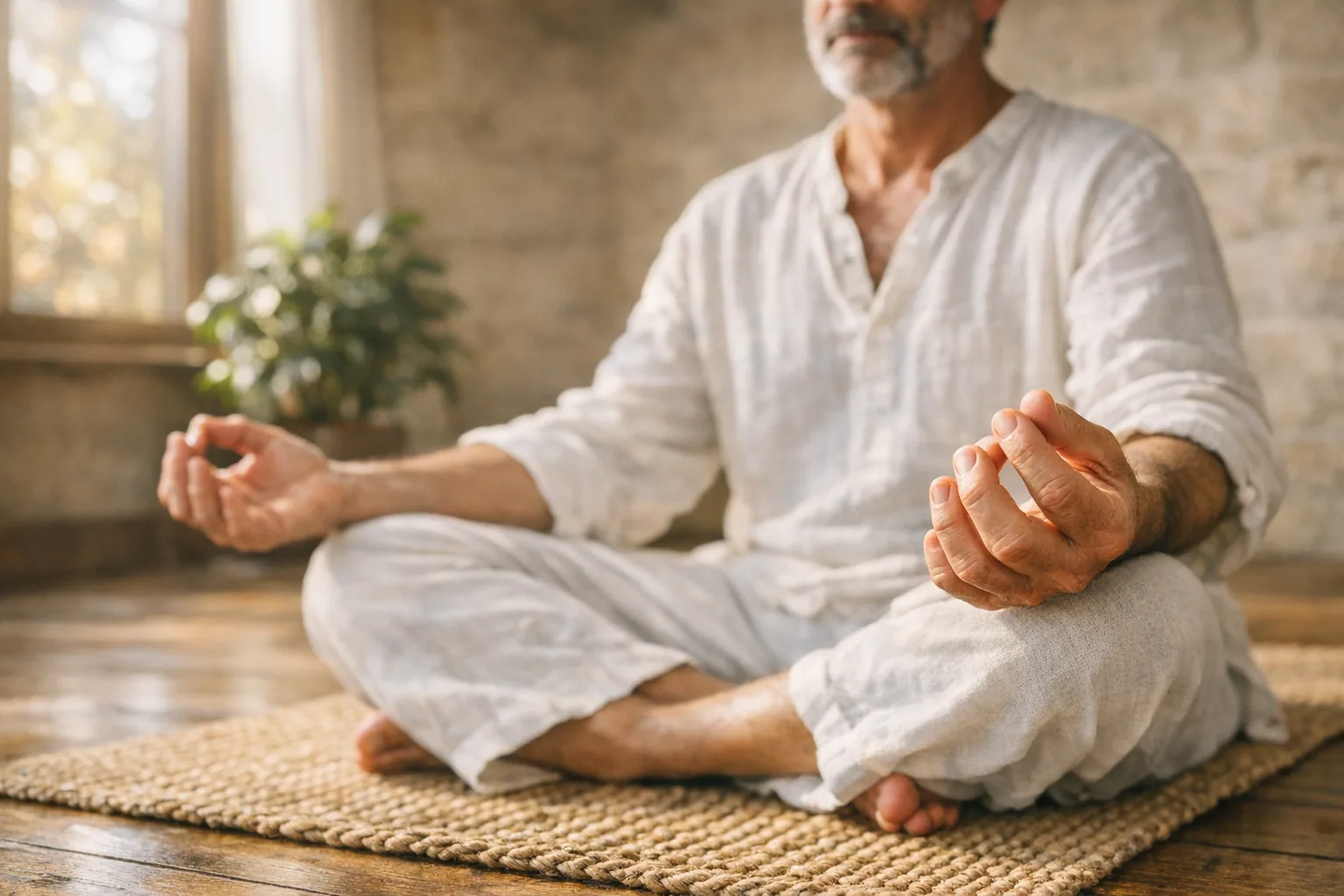
Types of Retreats: Yoga, Detox, Meditation
Choosing a retreat is not just about finding a beautiful place to spend a few days. The experience varies greatly depending on the discipline, pace, level of disconnection, and the intention with which each person travels. That is why when someone looks for types of retreats, they are usually comparing very different options: from a yoga getaway in nature to a silent meditation retreat or a detox and deep rest experience.
Understanding these differences helps make better decisions. Not all retreats pursue the same goal, not all are lived in the same way, and not all fit the same life moment. In this guide, we review the main types of wellness retreats, what each usually includes, who they are best suited for, and what to consider before booking. If you also want to explore specific options, you can discover proposals in the Retiru retreats section or check destinations and specialized centers in wellness destinations and yoga and meditation centers.
What is a retreat and why are there so many different types?
A retreat is, essentially, a temporary experience designed to step away from routine and dedicate time to a particular practice, goal, or form of rest. Beyond that, possibilities are broad: some retreats focus on the body, others on the mind, some on nutrition, others on introspection, and some combine several layers at once.
This variety responds to a very simple reality: not everyone looks for the same thing when they decide to pause. Some need to move, stretch, and reconnect with their body. Others want silence and fewer stimuli. There are also those who seek healthier habits, a digital break, or a space to transition personally with more clarity.
That is why it is important to distinguish between the different types of wellness retreats before choosing. A yoga retreat can be dynamic and active, while a meditation retreat can be much more contemplative. A detox retreat might focus on nutrition, rest, and habits. And a silent retreat can completely change one’s relationship with the environment and themselves.
Yoga retreat: practice, body, and breath
The yoga retreat is probably one of the best-known formats. Its focus is usually on physical practice, breathing, mindfulness, and in many cases, reconnecting with the body after periods of stress, sedentary lifestyle, or screen overuse.
What a yoga retreat usually includes
Although each program varies, it usually offers:
- daily yoga sessions, sometimes morning and afternoon
- pranayama or breathing exercises
- moments of rest or meditation
- healthy meals, often vegetarian
- free time to walk, read, or rest
- natural surroundings or tranquil spaces
Some yoga retreats focus on gentle styles like Hatha or Yin Yoga, while others include Vinyasa, Ashtanga, or more physically demanding practices. There are also retreats aimed at beginners, where the practice is adapted so anyone can follow comfortably.
Who it suits best
A yoga retreat usually works well for people who:
- want to move with more awareness again
- need to stretch, breathe, and reduce tension
- seek a structured but not overly demanding experience
- want to combine activity and rest
- want to start practicing in a guided environment
What to consider before booking
Not all yoga retreats are the same. Before choosing, it is good to check:
- the yoga style practiced
- the level of experience required
- the program’s intensity
- if there is enough free time
- if the accommodation favors rest
- if the approach is more physical, spiritual, or therapeutic
If you are comparing options, it’s worth exploring different retreat centers and seeing what type of experience truly suits you.
Meditation retreat: silence, attention, and mental pause
The meditation retreat is designed for those who want to work on attention, observe the mind with more calm, and reduce external stimuli. It can take very different formats: from accessible guided sessions to more demanding silent retreats.
What characterizes a meditation retreat
Unlike other formats, here the experience focuses less on physical activity and more on inner listening. It is common to find:
- guided meditations or mindfulness practices
- partial or total silence
- very ordered schedules
- few distractions and little phone use
- support from an instructor or guide
- moments of reflection and conscious rest
In some cases, meditation is combined with mindful walking, gentle yoga, or breathing exercises. In others, the approach is more austere and sober.
Guided meditation retreats vs. silent retreats
A guided meditation retreat is not the same as a silent retreat.
- Guided meditation: usually more accessible, especially for beginners. The instructor’s voice guides the practice and helps maintain focus.
- Silent retreat: minimizes verbal interaction. The goal is not to “not think,” but to observe what arises more clearly and with less external noise.
Silent retreats can be very valuable for those wanting to disconnect from daily overstimulation, though they may not be the best starting point. If you are interested in this approach, you can also find proposals in the retreats section and filter by discipline or experience level.
Who it might be a good option for
A meditation retreat is usually suitable for:
- people with a heavy mental load
- those who want to learn meditation or deepen their practice
- travelers seeking calm, introspection, and less conversation
- people needing a true digital break
- those preferring a less physical and more mental experience
Detox retreat: habits, nutrition, and rest
When talking about a detox retreat, it’s important to be precise: it’s not necessarily about “cleaning” the body in a medical sense, but about offering an experience that reduces excess, simplifies routines, and facilitates a general feeling of lightness and order.
This type of retreat may include specific nutrition, rest, moderate physical activity, digestive rest, reduced screen time, and wellness practices such as gentle yoga, meditation, or nature walks.
What a detox retreat usually proposes
Depending on the center or organizer's approach, it might include:
- light menus or menus based on fresh foods
- elimination or reduction of ultra-processed foods, alcohol, or caffeine
- rest and more regular rhythms
- hydration and self-care habits
- gentle movement practices
- support for disconnecting from stimuli
Sometimes it is linked to the concept of digital detox or deep rest programs. In other cases, it connects with approaches like Ayurveda, which emphasize the balance of habits and routines. If you want to explore this type of experience with more context, you can also check the Retiru blog.
What to really expect
A detox retreat shouldn’t be marketed as a miraculous solution. Its value is usually in creating an environment where it is easier to:
- eat more consciously
- sleep better
- reduce external noise
- detect draining habits
- regain a sense of bodily and mental order
Well designed, it can be an excellent entry point for people wanting to “reset” their routine without jumping into very intense practices.
Who it suits particularly well
This format may be useful if you:
- feel physical or mental saturation
- want a break from urban pace
- want to rest without sacrificing some structure
- want to review your eating and sleeping habits
- prefer a global wellness experience more than just a single practice
Other Types of Retreats You Should Know About
Although yoga, meditation, and detox are the most popular formats, many other retreats might suit you better depending on your travel intention.
Silent retreats
Designed to reduce verbal interaction and encourage introspection. They can be tough for some but very revealing for others. Usually include meditation, walks, and a very contained routine.
Weekend retreats
Ideal for those who can’t travel many days. They are very popular in Spain because they allow breaking routine without complex logistics. They work well to try a retreat for the first time.
Ayurveda retreats
Oriented to the Ayurvedic tradition and may include specific diets, massages, daily routines, and balancing practices. They are more specialized and it is good to carefully review their approach. If interested, you can find more information and related destinations in the wellness destinations section.
Nature and digital detox retreats
Combine natural surroundings, less screen time, and a simple resting proposal. Often not focused on a single discipline, but on recovering energy and perspective.
Thematic retreats
There are also writing, creativity, mindful movement, personal growth, or spirituality retreats. In these cases, the key is less in the label and more in the specific purpose of the experience.
How to choose the right type of retreat for you
Choosing well is more important than choosing “the most famous” one. A retreat suitable for someone else may not be right for you, even if it shares discipline or destination.
- Define what you really need right now
Ask yourself what you really seek:
- rest
- movement
- silence
- company
- introspection
- healthier habits
- inspiration
- digital disconnection
The answer greatly changes the kind of retreat you should choose.
- Consider your level of experience
If you have never meditated, maybe a silent retreat is not the best starting point. If you have been practicing yoga for a while, you can opt for a more technical or intensive format. The clearer you are about your level, the lower the chance of frustration.
- Review the full program
Don’t just focus on the retreat’s title. Look at:
- daily schedule
- level of demand
- type of meal
- rest times
- accommodation
- group size
- profile of the teacher or guide
- Keep the setting in mind
A retreat on the coast, in the mountains, or in a rural area is very different. The destination greatly influences the experience. In Spain, there are places especially suited to this kind of getaway, from quiet inland zones to coastal spots with good access and natural surroundings. You can explore some at Retiru destinations.
- Seek coherence between what they promise and what they offer
A good retreat doesn’t need fancy promises. If the approach is well defined, the program is clear, and the center conveys trust, that is already a good basis to decide.
What type of retreat to choose according to your goal
To simplify your search, this quick guide can help:
- If you want to move and stretch: yoga retreat
- If you seek mental calm and less noise: meditation retreat
- If you need to simplify habits and rest better: detox retreat
- If you are drawn to deep introspection: silent retreat
- If you only have little time: weekend retreat
- If you want a more holistic experience: Ayurveda or mixed retreat
There is no best option in the abstract. There is one more suitable for each moment.
Where to find retreats, centers, and destinations in Spain
If you are starting to explore possibilities, a good way is to first review the type of experience and then the place where you would like to live it. At Retiru you can discover various proposals, compare formats, and find both experiences and specialized spaces.
It can also help to check:
- yoga, meditation, and wellness centers
- available retreats
- destinations for mindful getaways
- practical and editorial content in the blog
If you are an organizer and want to give visibility to your proposal, you can also find information in the for organizers section.
Before booking: signs of a well-designed retreat
There are some signs that usually make the difference between a well-cared-for experience and a more improvised one:
- clear and well-explained program
- specific information about schedules and level
- honest communication about what is included and what isn’t
- teachers or guides with verifiable experience
- accommodation coherent with the retreat’s focus
- attention to rest, nutrition, and rhythm
- absence of grandiose promises
When a proposal is well designed, it shows in the details. It doesn’t need to exaggerate.
Frequently asked questions about types of retreats
What is the most appropriate retreat for beginners?
It is usually easier to start with a gentle yoga retreat, guided meditation, or a wellness weekend getaway. Silent retreats or more intensive programs can be reserved for a second experience.
Does a detox retreat involve fasting?
Not necessarily. It may include light meals, specific menus, or reduction of certain foods, but not always fasting. It is advisable to check the program carefully before booking.
Can yoga and meditation be combined in the same retreat?
Yes, and in fact, it’s very common. Many retreats combine both practices because they complement each other well: yoga helps prepare the body, and meditation promotes mental calm.
How long does a retreat usually last?
There are retreats of one day, a weekend, three to five days, or a full week. The ideal duration depends on your availability and the type of experience you seek.
What is the difference between a wellness retreat and a quiet vacation?
A retreat usually has a more defined intention and a more structured framework: daily practice, schedules, guidance, and a focus on a specific discipline or process. It’s not just resting but doing so within a thoughtfully designed setting.
Conclusion: choosing the right type of retreat completely changes the experience
When we talk about types of retreats, we are not just comparing different activities, but different ways of pausing, caring for yourself, and traveling. A yoga retreat, a meditation retreat, or a detox retreat can all share the desire to disconnect, but each approaches that pause from a different place.
The best choice is not the most intense or the most popular but the one that matches your moment, energy, and intention. If you seek movement, a physical practice might suit you. If you need silence, meditation might offer just that. If you come from a saturated phase, a detox or resting getaway might be more useful than a demanding program.
Exploring options carefully, reviewing the center’s focus, and understanding what each experience proposes is the best way to get it right. And if you want to discover concrete proposals, compare formats, or find the destination that fits you best, you can start by exploring the available retreats and go from there toward the experience you really need.
Ready for your next retreat?
Explore hundreds of retreats across Spain with transparent pricing.
Explore retreats