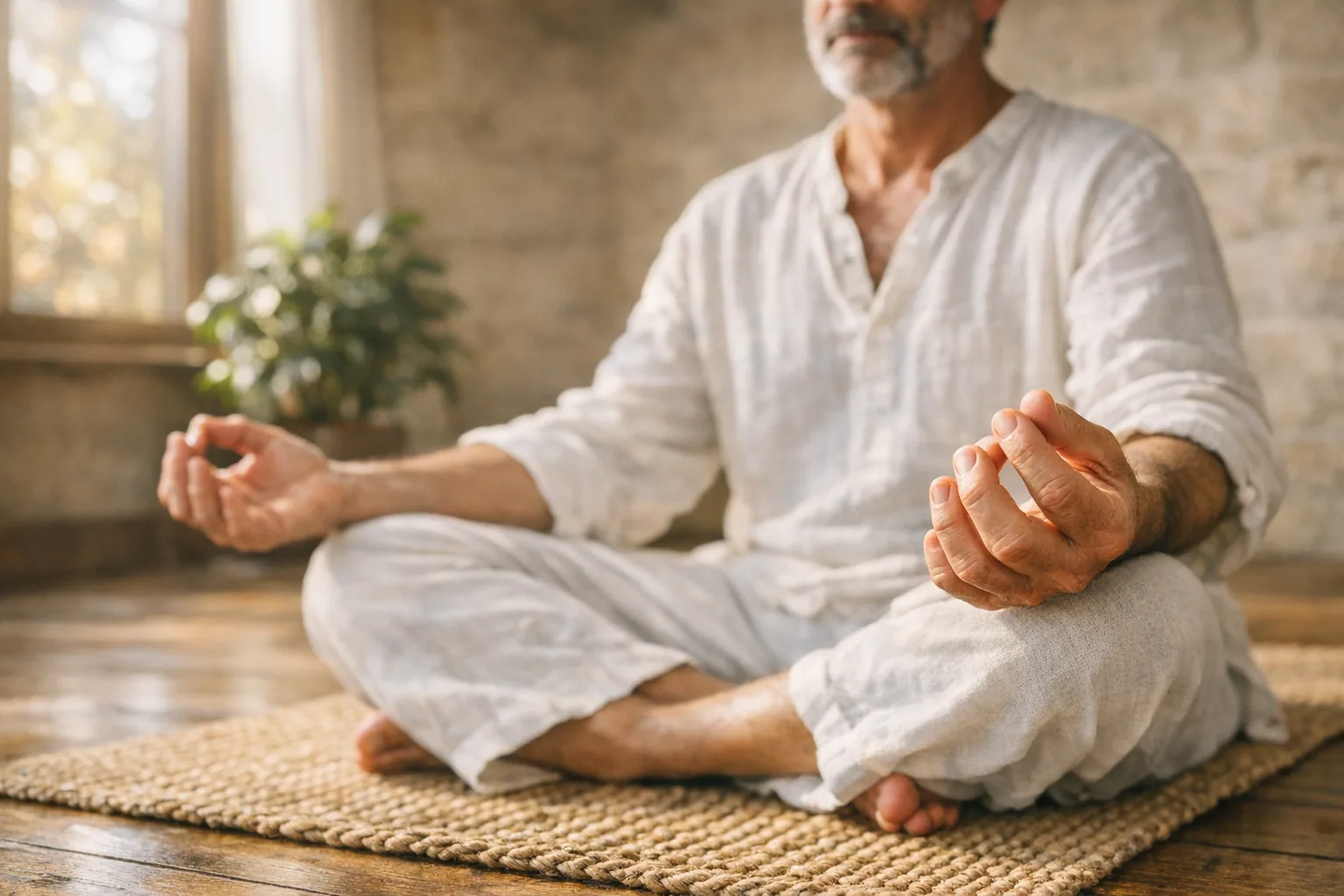
What Wellness Is and Why It’s Transforming the Way We Live
Retiru Team
The Retiru content team — yoga, meditation and ayurveda.

What Wellness Is and Why It’s Transforming the Way We Live
Wellness is no longer a word reserved for spas, boutique gyms, or weekend retreats. It has become a way of understanding how we live, work, rest, and relate to our surroundings. More and more people seek something beyond just “feeling good”: they want to sustain a life with more balance, energy, presence, and meaning.
This change hasn’t come about by chance. It responds to a real need: living in a context of chronic stress, hyperconnectivity, sedentarism, and mental overload. In response, wellness proposes something broader than physical care. It speaks of habits, prevention, rest, emotional health, mindful eating, movement, environment, and quality of life. That’s why it’s influencing sectors as varied as tourism, architecture, business, and how we choose to spend our free time.
What We Really Mean by Wellness
Although today it’s used in many ways, the term wellness refers to a holistic approach to well-being. It’s not just about not being sick, but about fostering a state of physical, mental, social, and emotional balance as much as possible.
The modern idea of wellness became popular in the second half of the 20th century, associated with prevention, self-care, and healthy lifestyle habits. Over time, the concept has expanded far beyond sport or diet. Today it includes:
- quality rest and sleep
- stress management
- regular physical activity
- mindful eating
- emotional health
- connection with nature
- healthy relationships
- spaces that facilitate wellbeing
- contemplative practices like yoga or meditation
In other words, wellness isn’t an isolated technique but a way of designing life to better support the person.
It is important to distinguish it from clinical health. Health is a medical field and wellness does not replace it. Rather, it complements it through prevention and habits. Neither is it a promise of perfection or constant happiness. It’s a practical, everyday, and often imperfect process.
Why Wellness Is Growing So Much
Interest in wellness isn’t just a superficial trend. It has a lot to do with deep changes in how we live.
- We live with more stress than before
Work pressure, constant availability, and multitasking have normalized a feeling of exhaustion that many people no longer want to accept as inevitable. Wellness appears as a response to that sustained fatigue: sleeping better, stopping in time, moving more, eating more slowly, and recovering mental margin.
- Health is increasingly understood as preventive
More and more people seek habits that help them feel better before reaching the breaking point. This preventive view has driven disciplines such as yoga, meditation, mindfulness, conscious nutrition, or deep rest getaways.
- We have started valuing time and attention more
Well-being is no longer measured only by material comfort. It’s also measured by quality of attention, capacity to concentrate, available energy, and the possibility of living without a constant sense of urgency.
- Disconnection has become a desired luxury
Stopping, breathing, and lowering mental noise have become widely needed. Hence the rise of silent retreats, yoga escapes, nature experiences, and proposals that combine rest and mindful practice.
- The environment influences more than we thought
Well-being doesn’t depend only on individual willpower. Factors like space, rhythm, light, noise, access to nature, and quality of routines also influence it. That’s why wellness has had such an impact on tourism and the way accommodations, centers, and experiences are designed.
Wellness Is Not Just Relaxation: It’s a Lifestyle Approach
One of the most common misunderstandings is reducing wellness to “doing relaxing things.” In reality, it goes much further.
Wellness includes habits that may require discipline, not just immediate pleasure. Sleeping at the right time, maintaining a consistent physical practice, limiting screen time, or taking care of nutrition are decisions that are not always comfortable, but are sustainable and useful in the long run.
That’s why wellness looks more like an architecture of life than a temporary whim. It’s not about accumulating nice experiences, but about creating conditions to live better steadily.
In this sense, disciplines like yoga or meditation fit naturally within wellness because they don’t only seek momentary relaxation, but a more conscious relationship with the body, mind, and breathing. If you are interested in exploring this approach through concrete experiences, you can discover related offers at wellness retreats by Retiru.
The Key Dimensions of Wellness
To understand why wellness is transforming our way of living, it is useful to look at its main dimensions.
Physical Well-being
Includes movement, rest, nutrition, prevention, and body care. This doesn’t have to mean intense workouts or strict diets. Sometimes the most transformative thing is going back to basics: walking more, sleeping better, eating with less anxiety, and listening to the body’s signals.
Mental and Emotional Well-being
This includes stress management, emotional regulation, mindful attention, and the ability to set boundaries. Wellness acknowledges that mental state influences how we live each day, not just exceptional moments.
Social Well-being
Relationships are also part of well-being. Having secure bonds, quality time, and community is a decisive factor. Wellness should not become an individualistic experience; it can also foster healthier and more humane shared spaces.
Environmental Well-being
The impact of the environment weighs more and more: air quality, presence of nature, silence, light, space design, and connection to place. That’s why many wellness centers and retreats are located in quiet, rural, or coastal areas. If you want to explore environments that support this kind of experience, you can visit wellness and retreat destinations.
Spiritual or Meaning Well-being
This doesn’t necessarily mean religion. In many cases, it’s about finding moments of pause, introspection, and connection to something larger than routine. For some people, this is expressed through meditation; for others, through nature, art, or silence.
How Our Way of Living Has Changed
Wellness is transforming very specific day-to-day habits.
Changes in Travel
Before, travel was mainly about moving, seeing many things, and making the most of time. Now many people want to travel to rest, recover, or reconnect. From this emerges wellness tourism, which combines lodging, nature, gentle physical activity, therapies, healthy food, or practices like yoga and meditation.
In Spain, this type of travel has grown strongly due to the diversity of landscapes, quality of some centers, and ease of designing short trips with a real impact on rest. If you want to compare options, you can visit Retiru’s retreats section and choose by discipline, duration, or destination.
Changes in Consumption
Our purchasing decisions have also changed. We increasingly value products and services that promise real wellness: comfortable and functional clothing, less processed food, conscious cosmetics, healthy spaces, or experiences that truly bring rest.
Changes in Work
Well-being has entered the workplace forcefully. Many companies already talk about ergonomics, mental health, flexibility, active breaks, and work-life balance. It doesn’t always go from theory to practice, but the conversation has clearly shifted.
Changes in Living Spaces
Housing and common spaces are also being reinterpreted from a wellness perspective. Natural light, acoustic insulation, ventilation, green areas, and a general sense of calm matter more.
Wellness, Yoga, and Meditation: A Natural Relationship
Although wellness is a broad concept, many people come to it through yoga and meditation. This makes sense: both practices help to quiet the noise, observe the body, and develop presence.
Yoga brings a physical, respiratory, and mental dimension that fits very well with the wellness approach. Meditation, on the other hand, works on attention and the relationship with thoughts. Neither should be presented as a magic solution, but as useful tools to cultivate more mindful habits.
In an age of information overload, dedicating a few minutes to breathing or moving with awareness can be a realistic way to start. If you want to find places where these practices are lived more fully, you can explore yoga, meditation, and wellness centers.
The Role of Wellness Tourism
Wellness tourism is one of the most visible expressions of this transformation. It’s not just about staying in a pleasant hotel, but about traveling with the intention to take care of oneself.
A retreat, a mindful getaway, or a stay in a specialized center can offer what many people struggle to find in their routine: silence, slow pace, good food, movement, nature, and uninterrupted time.
At this point, it’s important to seek well-planned experiences, not only aesthetically attractive ones. A good retreat doesn’t depend on decoration or marketing, but on its coherence: reasonable schedules, qualified teachers, a suitable environment, and a clear proposal. If you’re interested in organizing or hosting such experiences, you can also visit the organizers’ section.
What Benefits Can Wellness Bring?
It’s important to speak cautiously: wellness does not cure diseases nor replace medical care. But it can generally contribute to improving some aspects of daily life.
Among the most sought-after effects are:
- greater feeling of rest
- better ability to disconnect
- more body awareness
- more sustainable habits
- less feeling of saturation
- better quality free time
- greater connection with oneself and the environment
What’s valuable is not an instant transformation, but the accumulation of small changes that make life more livable.
How to Start Living with More Wellness Without Overcomplicating Things
You don’t need to change everything at once. In fact, wellness usually works better when integrated thoughtfully and without rigidity.
Start with the Basics
Sleeping better, walking more, eating more slowly, and reducing digital overexposure can already make a notable difference.
Look for Spaces That Help You
Not everything depends on willpower. Sometimes the environment helps more than motivation. A weekend in nature, a short retreat, or a quiet getaway can be the starting point.
Choose Sustainable Practices
You don’t need a perfect routine. You need something you can maintain. For some, that might be yoga three times a week; for others, meditating ten minutes a day or setting screen-free time.
Avoid Turning Well-being into Another Obligation
If wellness becomes a new source of pressure, it loses its meaning. The idea is not to do “everything right,” but to live with more awareness and less unnecessary friction.
Wellness as a Cultural Shift
Perhaps the greatest transformation is not in a product, practice, or specific trend, but in the cultural change it represents. Wellness questions the idea that living fast, tired, and disconnected is normal or desirable.
Against that, it proposes a different question: how do we want to feel while we live?
There’s no single or universal answer. But it is a conversation that’s increasingly present in how we travel, work, rest, and choose our spaces. That’s why wellness has gone from being an aspirational word to becoming a way to rethink priorities.
Conclusion
Wellness is transforming our way of living because it responds to a very contemporary need: to live better without waiting until the limit. Its strength lies in not proposing an isolated solution, but a more integral way of understanding health, rest, movement, environment, and attention.
It is not about chasing a perfect life but building habits, spaces, and experiences that better support daily life. And on that path, retreats, quiet destinations, specialized centers, and mindful getaways can be very valuable allies.
If you want to delve deeper into this universe, explore rest options, or find an experience that fits you, you can start by discovering available retreats or browse Retiru’s blog for inspiring and rigorously useful content.
Ready for your next retreat?
Explore hundreds of retreats across Spain with transparent pricing.
Explore retreats