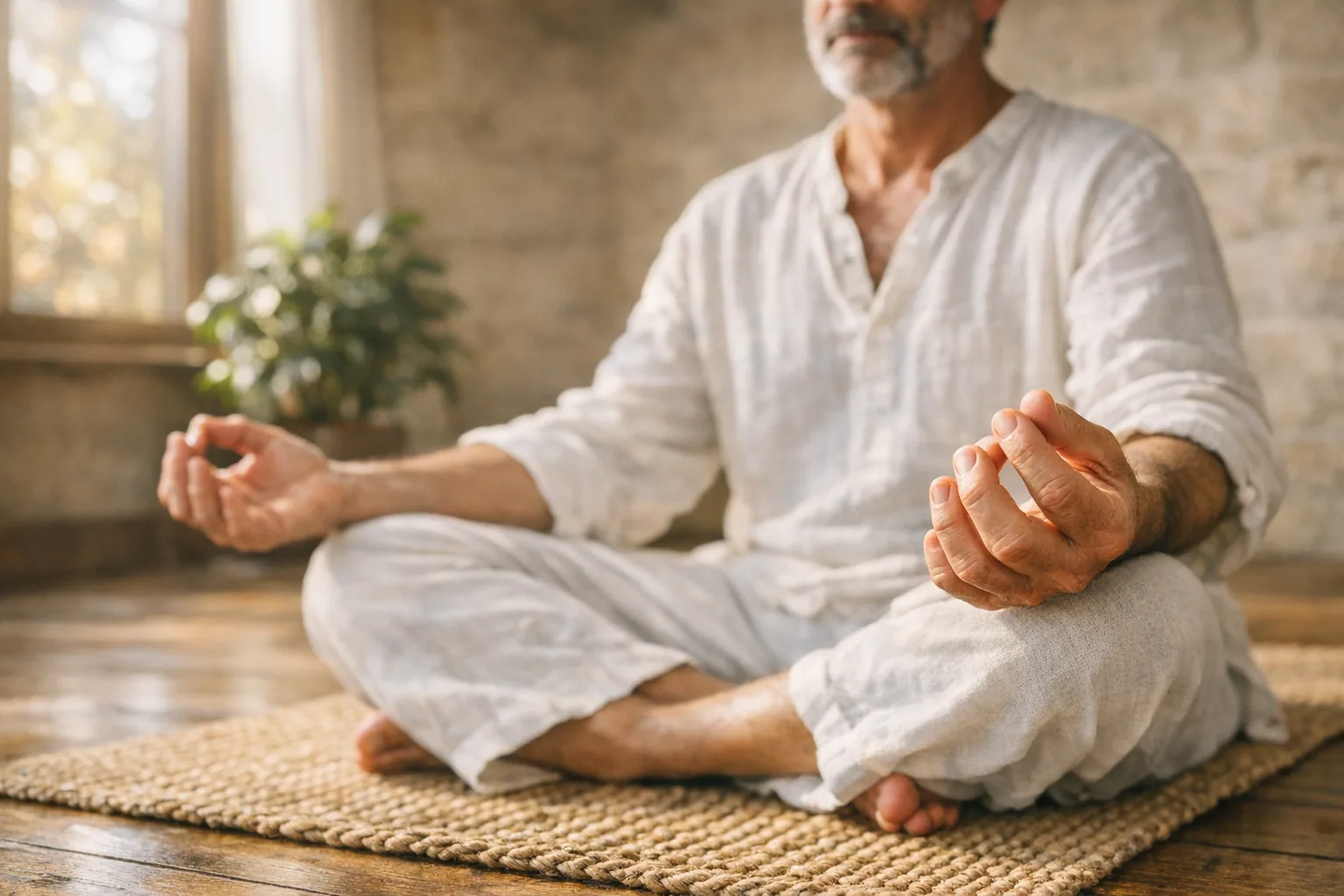
My Experience at a Wellness Retreat
Retiru Team
The Retiru content team — yoga, meditation and ayurveda.
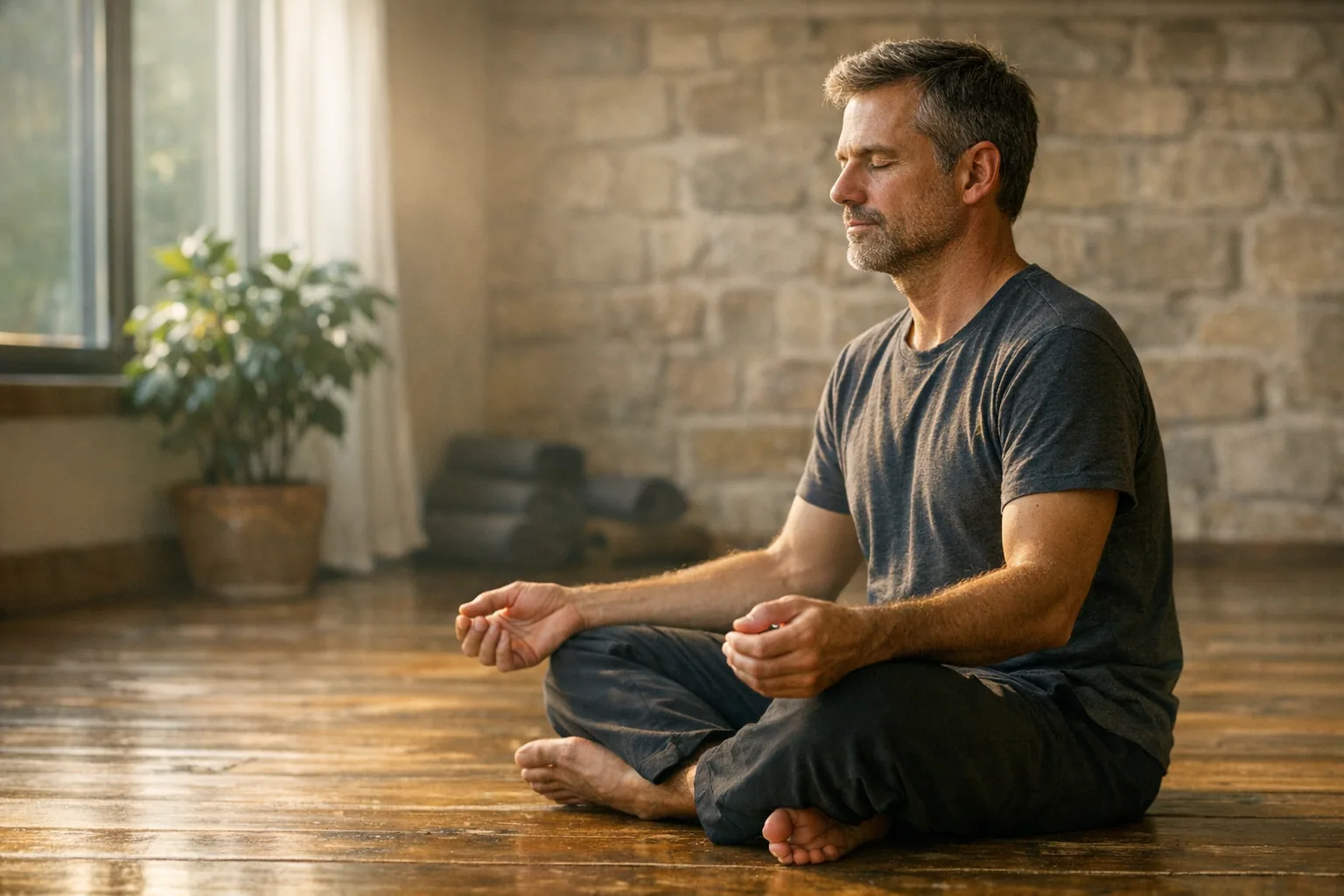
My Experience at a Wellness Retreat
Going to a wellness retreat sounds, from the outside, like “disconnecting for a few days.” The reality is more concrete: it’s more like creating conditions —time, relative silence, a gentle routine, good food, nature, and guided practices— so that the body and mind return to a rhythm that’s hard to maintain at home.
In this article, I’ll share how I experienced a wellness retreat (without idealizing it), what surprised me, what truly worked, what was uncomfortable, and what I brought back home. If you’re looking for realistic references before booking, here’s an insider’s perspective along with practical advice to make your experience easier.
Why I Decided to Go (and What I Expected to Find)
I didn’t go because I was “feeling bad,” but because I noticed a constant background noise: a busy schedule, irregular sleep, too many screens, and a feeling of always being in response mode. I was looking for three very specific things:
- Sleep better without having to “catch up” on the weekend.
- Move my body with intention (not to train more, but to release tension).
- Lower mental volume: less multitasking, more presence.
I also had doubts: would I get bored? Would I fit in with the group? Would it be too spiritual, or on the contrary, too much of a “spa” without substance? Spoiler: it was a bit of everything, and that made it interesting.
What the Retreat Was Like on the Inside: Routine, Spaces, and Dynamics
The word “wellness” is broad. In my case, the retreat combined gentle yoga, meditation, mindful walks, and real rest spaces. What marked the experience most wasn’t the isolated activities, but the structure.
Day-to-day: a simple routine that supports you
- Mornings: body practice (yoga/mobility) + guided meditation.
- Midday: relaxed meal, unhurried, and rest.
- Afternoons: workshop (breathing, habits, stress management) or nature walk.
- Evenings: light dinner and a closing of the day (relaxation, reading, silence).
The first feeling was strange: “Is this all?” Then I understood that this was exactly the point. Not filling the schedule was part of the work.
The place: why it matters more than it seems
The environment isn’t decoration: it’s a co-facilitator. Nature nearby, noise-free spaces, natural light, room designed for rest. When the place supports you, the nervous system slows down beforehand.
If you want to explore similar options, in the wellness retreats section on Retiru you can filter by type of practice, duration, and style, and compare without getting lost among thousands of offers.
What Surprised Me Most (in a Good Way)
- Rest doesn’t come on the first day
I thought that as soon as I “put my phone down” and left the routine behind, I’d rest. Not so. The first day was full of inertia: pending thoughts, imaginary urgencies, the urge to check messages. Rest came when my body understood there was nothing to chase.
- Eating without rush changes your mental state
The meals were healthy, yes, but the real change was another: ritual and time. Eating seated, without screens, talking just enough, truly chewing. It seems simple, but it’s a powerful regulator.
- Meditation didn’t make me “float”; it made me see
Sometimes it was pleasant; sometimes uncomfortable. The most valuable thing was noticing patterns clearly: anticipation, pressure, comparison. Mindfulness, understood as training attention to the present moment, is not magic: it’s practice. And it also has limits and nuances (there’s quite a bit of criticism of “McMindfulness” when it’s sold as a universal solution).
Still, there is moderate evidence that certain meditation programs help with stress and psychological well-being for some profiles, without being a cure or replacing professional help when needed. A well-known study is the meta-analysis published in JAMA Internal Medicine (Goyal et al., 2014), reviewing the effects of meditation programs on anxiety, depression, and pain: modest but relevant results in some cases. Source: JAMA Internal Medicine (general information on the article and journal), available at the JAMA portal: jamanetwork.com
The Uncomfortable (Because It’s There Too)
A wellness retreat isn’t just “pleasant.” There’s friction, and it’s good to know to avoid frustration.
Silences you don’t know how to fill (and that’s the point)
It wasn’t a strict silence retreat, but there were spaces without conversation. At first, my impulse was to produce: read, write, plan. Then something more interesting appeared: doing nothing without feeling guilty.
Coexistence: the invisible challenge
Sharing dining spaces, schedules, and common areas requires flexibility. You can connect a lot with the group... or not. In my case, there were moments of affinity and others when I just wanted to be alone. I learned to set boundaries gracefully: rest without having to justify it.
The expectation to “come back new”
If you go in thinking you’ll be transformed in 72 hours, you’re putting a heavy load on yourself. I came back better, but not “perfect.” I came back with more clarity, which is different.
Practices I Took Home (and Which Stayed There)
The useful thing about a retreat isn’t what you do those days, but what you can sustain afterward without turning your life into another to-do list.
What I kept
- 10 minutes of breathing or meditation in the morning, no drama.
- Lighter dinners when I can (and earlier).
- Walks without headphones 2–3 times a week.
What I didn’t keep (and why that’s okay)
- Long daily yoga: it doesn’t always fit at home. Better two short sessions.
- Total digital disconnection: unrealistic for me, but I did establish screen-free times.
Ayurveda and Wellness: Where It Fits (and When to Be Cautious)
Some wellness retreats include the Ayurvedic approach (routines, massages, constitution-based diet). It can be inspiring as a cultural framework and habit model, but it’s important to be discerning.
Ayurveda is a traditional system with a history in the Indian subcontinent and, in its Western adaptation, sometimes mixes with unrealistic promises. If a retreat includes Ayurvedic practices, my recommendations are:
- Appreciate what it brings in rhythm, rest, self-care, and mindful eating.
- Be cautious with aggressive “detox” programs or medical claims.
- Consult healthcare professionals if you have health conditions or take medication.
General reference: Ayurveda (Wikipedia) — useful for historical context and debates on evidence.
If you’re interested in this approach, you can look for centers with more integrative proposals in the directory of retreat and wellness centers.
Real Advice Before Booking Your First Wellness Retreat
- Choose by goal, not by trend
Ask yourself: rest? stress management? gentle movement? nature? That defines better than “wellness” in the abstract.
- Check the program intensity
A retreat can be very active (many practices) or very restorative (lots of open space). Neither is better: it depends on your current moment.
- Review group size
- Small groups: more care, more intimacy.
- Large groups: more diversity, less personalization.
- Location and nature: make sure they are part of the plan
If nature is key for you, look for options near parks and protected areas. Spain has a strong network; you can get inspired by the official info from the National Parks Network: parquesnacionales.es
For ideas by region, explore the destinations for retreats in Spain section and choose with a mental map: sea, mountains, forest, interior.
- Go with a small intention
Instead of “change my life,” something like: sleep two nights in a row well, learn a breathing technique, come back with a sustainable habit.
Who I Would Recommend a Wellness Retreat To (and Who Maybe Not)
It might fit if…
- You need a habit reset without turning it into a “project.”
- You struggle to disconnect and want an environment that makes it easier.
- You’re open to gentle practices and slowing down.
Maybe it’s not the best time if…
- You’re looking for treatment for a health problem: a retreat doesn’t replace medical care.
- You strongly dislike any group component (even if optional).
- You’re at a peak of unavoidable responsibilities: going “mentally stuck” can cause more frustration (although sometimes it also reveals priorities).
Conclusion: What the Retreat Really Left Me With
My experience at a wellness retreat wasn’t an escape from reality, but a reminder: when you lower stimuli and maintain a simple routine, responses come up that don’t appear in the fast life. I came back with less noise and clearer criteria: what drains me, what regulates me, what I need to be ordinarily well.
If you’re considering doing one, the most useful thing is to start by exploring calmly and choosing an option coherent with your moment. On Retiru you can discover retreats by duration (weekend, 5–7 days), style (more active or more restorative), and focus (yoga, meditation, integral wellness) to find a choice that feels realistic and suitable. And if you want to keep learning before deciding, you have more guides in the Retiru blog.
Ready for your next retreat?
Explore hundreds of retreats across Spain with transparent pricing.
Explore retreats