Kimchi vs Sauerkraut: Differences and Benefits (and Which to Choose According to Your Goal)
Retiru Team
The Retiru content team — yoga, meditation and ayurveda.
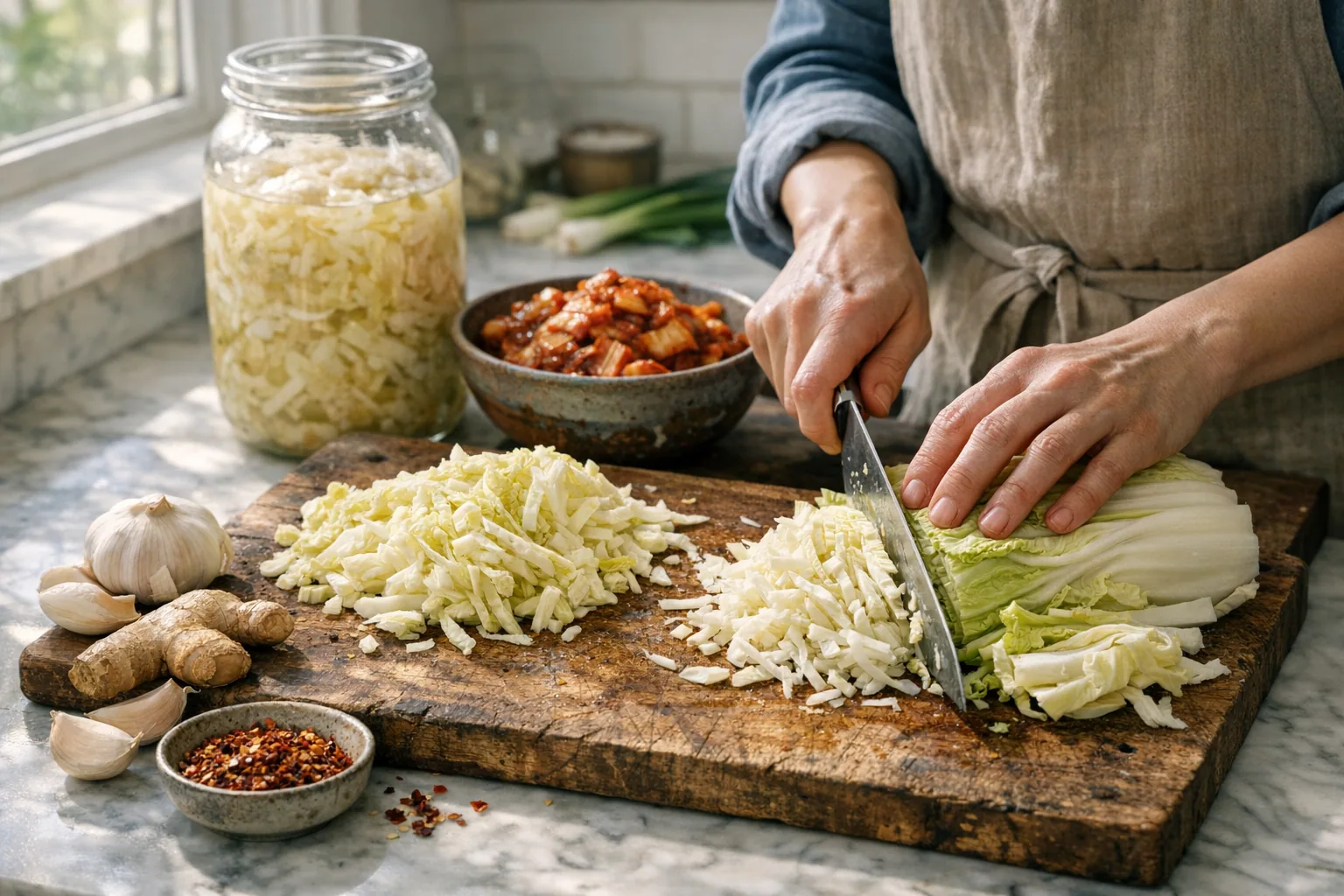
Kimchi vs Sauerkraut: Differences and Benefits (and Which to Choose According to Your Goal)
Fermented foods have gone from being a "lifetime" side dish to becoming a pantry staple for those who care about digestion, energy, and mindful eating. Among the most popular are kimchi (Korean) and sauerkraut (also known as chucrut or choucroute). At first glance, they seem like close relatives — fermented cabbage — but they are not the same: the ingredients, nutritional profile, flavor, intensity, and even how they typically sit with the stomach differ.
In this comparative guide, you’ll see key differences, potential benefits based on evidence, and advice on choosing the one that best fits you (and your lifestyle, especially if you’re managing habits like preparing for a retreat or wellness getaway).
What Is Kimchi (and Why It’s Not “Just Spicy Cabbage”)
Kimchi is a traditional Korean dish made from salted and fermented vegetables, often napa cabbage or radish, and seasoned with a characteristic mix that usually includes garlic, ginger, scallion, and gochugaru (Korean chili flakes). Many traditional recipes also include jeotgal (salted seafood), although vegan versions exist today.
Its identity lies in the complexity of the seasoning, and depending on the fermentation time, it can range from fresh and crunchy to more sour and deep.
Reference source: Kimchi on Wikipedia
What Is Sauerkraut (Chucrut) and Why It’s So Easy to Incorporate
Sauerkraut is finely shredded white cabbage fermented with salt, thanks to lactic acid bacteria that transform the sugars in the cabbage into lactic acid. The result is a food with a sour, clean, and straightforward taste, typically with a very short ingredient list: cabbage + salt (and sometimes spices like juniper or bay leaf depending on the region).
Historically, it has been an effective way to preserve cabbage for months and became popular in Central and Eastern Europe.
Reference source: Sauerkraut on Wikipedia
Main Differences Between Kimchi and Sauerkraut (Clear Comparison)
- Ingredients and Seasonings
- Sauerkraut: minimalist. Usually white cabbage + salt.
- Kimchi: more elaborate. Besides cabbage (often napa), it includes spices, aromatics, and depending on the recipe, salted seafood or alternatives.
Result: kimchi usually provides a wider variety of aromatic compounds, while sauerkraut stands out for its simplicity and digestive tolerance in people sensitive to spices.
- Flavor and Intensity
- Sauerkraut: sour, mild, “clean.”
- Kimchi: sour + spicy + umami (and sometimes slightly sweet), more intense.
If you want a fermented food easy to accompany dishes without “taking over” the plate, sauerkraut is generally better integrated. If you want character and a strong flavor stimulus, kimchi wins.
- Fermentation and Microbiota: Similarities and Nuances
Both are based on lactic fermentation, meaning:
- they produce lactic acid, which helps preserve the food;
- they may contain live microorganisms if not pasteurized.
Important nuance: what really determines the “probiotic” effect is not kimchi vs sauerkraut, but whether the product is raw and unpasteurized (and how it has been stored).
- Spiciness and Digestive Tolerance
- Kimchi, due to its spiciness and garlic/onion content, may be more irritating for some people with reflux, gastritis, or sensitive intestines.
- Sauerkraut tends to be more neutral, although its acidity can also bother in some cases.
- Sodium (Salt)
Fermented foods tend to be salty. In both cases, salt content varies widely depending on brand/recipe. If you control salt intake for blood pressure or other reasons, it’s advisable to:
- check the label,
- adjust the portion,
- consider lightly rinsing (knowing this can remove part of the fermentation liquid).
Potential Benefits (With Rigor): What Nutritional Logic Says and What to Expect in Practice
- Support for Intestinal Health (When the Fermented Food Is “Alive”)
Both kimchi and sauerkraut can provide lactic acid bacteria and compounds generated during fermentation. In everyday wellness terms, many people notice:
- more regular digestion,
- less heaviness,
- better tolerance to heavy meals.
Responsible wording here: they may contribute to a more favorable intestinal environment, especially when part of a complete eating pattern (fiber, plant variety, rest, movement).
- Improved Digestibility of Cabbage
Fermentation “pre-digests” some components of cabbage, which can make it easier to tolerate than raw cabbage for some people.
- Supply of Bioactive Compounds
- Cabbage (Brassica) provides interesting compounds (for example, glucosinolate derivatives).
- Kimchi adds the potential from garlic, ginger, and chili, with aromatic and spicy compounds that can be stimulating and pleasant.
It’s not a “miracle superfood”: it’s a traditional, useful food that adds value when supported by the rest of the diet.
- Vitamin C and Traditional Preservation Foods
Sauerkraut is historically linked to its utility as a source of nutrients in winter (including vitamin C, variable according to processing and storage). It should not be idealized: the exact amount depends on preparation and timing.
Which Is Better: Kimchi or Sauerkraut?
It depends on what you’re looking for and how it suits you:
Choose sauerkraut if…
- you want a milder fermented food easy to use daily;
- you prefer a very short ingredient list (cabbage + salt);
- you want a “go-to” for salads, bowls, legumes, or one-pot dishes.
Choose kimchi if…
- you want a bolder and spicier fermented food;
- you want to vary flavors and add character to your dishes;
- you tolerate spicy food and aromatics (garlic, ginger).
If You’re Starting with Fermented Foods Start with small amounts of the one you find gentler (usually sauerkraut), observe how it suits you, and increase gradually.
How to Eat Them (Without Overcomplicating) and When to Avoid
Recommended Serving
- Start with 1–2 tablespoons per day, adjusting according to tolerance.
- No need to eat large amounts for them to be part of a routine.
How to Incorporate Without “Killing” the Probiotics
If your goal is to keep live microorganisms:
- add them at the end, cold, as a topping.
- avoid cooking them extensively (heat can reduce live microbes).
When to Be Cautious
- If you have active digestive problems (severe reflux, gastritis, flare-ups), try cautiously or consult a healthcare professional.
- If you need to control sodium, check labels and portion.
- If you follow a low-histamine diet and notice sensitivity to fermented foods, also observe your individual response.
What to Look for When Buying (The Difference Between a “Real” Fermented Food and Just an Acidified Product)
In stores, you’ll find versions that are simply acidified or pasteurized. For a more “authentic” fermented food:
- Look for “unpasteurized” or “raw” (if applicable).
- Check ingredients: ideally cabbage + salt (sauerkraut) and expected seasonings in kimchi, avoiding long ingredient lists.
- If it’s refrigerated and has a short shelf life, it’s usually a better sign than a shelf-stable product (though not always).
A “Retiru” Note: Fermented Foods and Retreat Habits
On a yoga or meditation retreat, many people notice their bodies respond differently: schedules, stress levels, movement, and digestion change. Introducing fermented foods gradually can be a small but coherent gesture aligned with a more mindful routine.
If you want to accompany this type of habit with a real pause, you can explore the wellness retreats at Retiru or find inspiration on the Retiru blog. And if you’re wondering where to do it, the mindful getaway destinations in Spain section helps you decide.
Conclusion
Kimchi and sauerkraut share a base (fermented cabbage) but play in different sensory leagues: sauerkraut is simple, sour, and very easy to incorporate; kimchi is complex, spiced, and more intense. Regarding benefits, the important thing is the essentials: that it’s a quality fermented food, that it agrees with you, and fits into a varied and sustainable diet.
For a practical choice: sauerkraut to start and for everyday use; kimchi to vary and add punch. And as with almost everything in wellness, the best guide is a combination of information + listening to your body.
Ready for your next retreat?
Explore hundreds of retreats across Spain with transparent pricing.
Explore retreats