How to Improve Your Gut Microbiota (Without Obsessing): A Practical and Realistic Guide
Retiru Team
The Retiru content team — yoga, meditation and ayurveda.
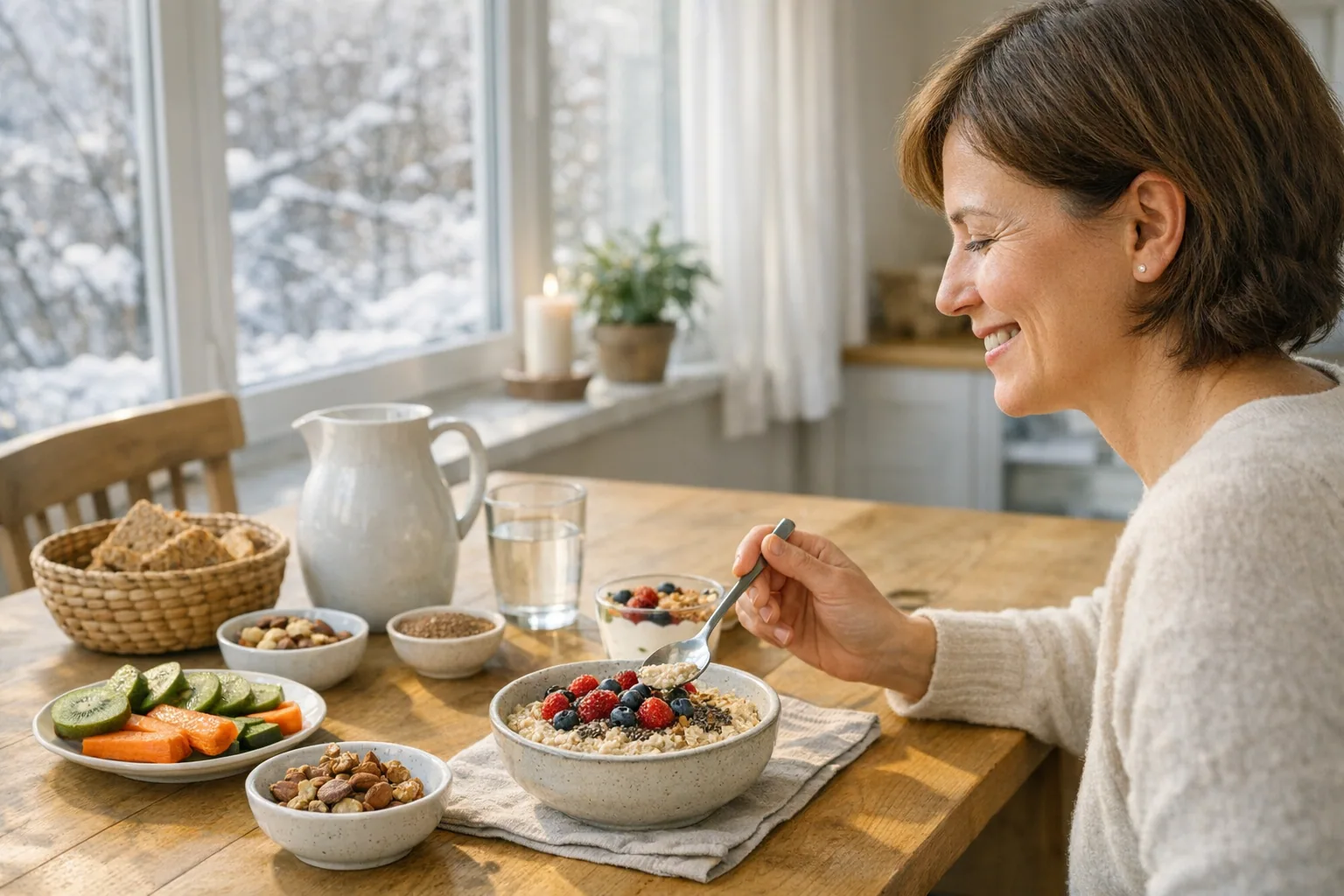
How to Improve Your Gut Microbiota (Without Obsessing): A Practical and Realistic Guide
The gut microbiota — the community of microorganisms living in your digestive system — is not a small detail of health: it participates in fiber digestion, produces compounds like short-chain fatty acids (important for the gut), and is linked to the immune system and the gut–brain axis. The interesting thing is that you don’t need an extreme plan to take care of it: in most cases, the most effective changes are simple, consistent, and very everyday.
Below is a clear guide to improving your gut microbiota through eating habits, lifestyle, and a mindful approach (without miracle promises or strange shortcuts).
What “Improving” Your Microbiota Means (and What It Doesn’t)
More than aiming to “have the perfect microbiota” (which doesn’t exist), the realistic goal is to promote:
- Microbial diversity: different species tend to be associated with greater resilience.
- Good intestinal function: regularity, less bloating, better digestive tolerance.
- Balance: it’s not about eliminating “bad” bacteria, but about creating an environment that favors beneficial ones.
Important: microbiota changes depend on your context (stress, sleep, medication, hormonal cycle, physical activity, etc.). If you have persistent symptoms (pain, severe diarrhea or constipation, blood in stool, unintentional weight loss), it’s wise to consult a healthcare professional.
- Prioritize Fiber (But Do It Strategically)
Fiber is, for many gut bacteria, the “food” that enables the production of beneficial compounds. If your diet is low in fiber and you increase it suddenly, it’s normal to notice gas at first.
Practical tips for doing it right:
- Increase fiber gradually (1–2 weeks) and accompany it with more water.
- Aim for a consistent pattern: your microbiota “appreciates” regularity.
Especially useful foods (for variety):
- Legumes: lentils, chickpeas, beans (start with small portions if they cause bloating).
- Whole grains: oats, brown rice, rye, 100% whole grain bread.
- Vegetables: artichoke, leek, onion, asparagus, broccoli.
- Fruits: apple, pear, berries, banana (better not always very green if it doesn’t sit well).
- Nuts and seeds: chia, flaxseed (ground), walnuts.
As a general guideline, many public health organizations recommend around 25–30 g of fiber/day for adults (as an orientation, not an obsession).
- Increase Plant Diversity (Your Microbiota “Insurance”)
A simple and very effective rule: the more different plants per week, the better. It’s not just “eating healthy”: it’s about providing different types of fiber and polyphenols to your gut ecosystem.
Easy challenge (without overcomplicating):
- Choose 3 base vegetables (e.g., broccoli, carrot, zucchini),
- 2 rotating fruits,
- 2 legumes per week,
- and add small “extras” that increase diversity: herbs, spices, pure cocoa, tea, olives.
- Include Fermented Foods… with Intention
Fermented foods can provide live microorganisms and useful compounds. They are not magic, but well-chosen they can help, especially if they replace ultra-processed options.
Common fermented foods:
- Natural yogurt or kefir (preferably without added sugar).
- Sauerkraut, kimchi (preferably unpasteurized, if tolerated).
- Miso, tempeh, kombucha (watch out for sugars in kombucha).
How to introduce them:
- Start with 1 small serving a day (or 3–4 times a week) and notice your tolerance.
- If you have IBS (irritable bowel syndrome) or high sensitivity, take it even slower.
- Don’t Demonize (But Reduce) Ultra-Processed Foods and Alcohol
More than “forbidding,” think about frequency and substitution. A diet high in ultra-processed foods is often low in fiber and high in additives, sugars, and low-quality fats, which can hinder gut balance in many people.
High-impact changes:
- Swap snacks for fruit + nuts.
- Swap sugary cereals for oats or yogurt with fruit.
- Swap industrial sauces for olive oil, lemon, spices.
With alcohol: if you reduce it, many people notice better digestion and better rest (and rest also affects the gut).
- Mind the “Tempo”: Eating Calmly Influences the Gut Too
Digestion isn’t just chemical, it’s also nervous system. Eating quickly, with screens, or under sustained stress can worsen digestive symptoms, even if your diet is “perfect.”
Try this for 7 days:
- Sit down to eat.
- Take 3 slow breaths before the first bite.
- Chew a little more than usual.
- Avoid finishing your meal with a very sugary dessert “out of habit.”
It may seem minor, but for many people, it’s the change that unlocks bloating or heaviness.
- Move: Moderate Exercise Is a Friend of the Gut
Regular physical activity is generally associated with a more favorable microbiota. No need to overtrain:
- Walk briskly 30–45 minutes most days.
- Strength training 2–3 times a week (basic and progressive).
- Some mobility or yoga to reduce tension and improve body connection.
If you want to incorporate it gently, a getaway can help you create a routine: in the section yoga and wellness retreats you can find proposals combining movement, rest, and more mindful eating.
- Sleep Better: The Microbiota Also Has a “Rhythm”
Irregular sleep and sustained stress can influence the gut–brain axis. It’s not about “perfect sleep,” but improving what you can:
- Relatively stable schedule.
- Lighter dinner if you notice reflux or heaviness.
- Less alcohol and fewer screens just before bed.
- Stress: The Invisible (and Often Decisive) Piece
If there’s an underestimated factor in digestion, it’s stress. And this is where Retiru’s approach makes sense: not only “eat better,” but slow down.
Concrete ideas:
- 10 minutes daily of guided breathing or meditation.
- Walks in nature (better if frequent).
- Practice gentle or restorative yoga on high-stress days.
If you’re interested in guided help, you can explore conscious getaway destinations or get inspired by articles from the Retiru blog to integrate small sustainable habits.
- Probiotics and Prebiotics: When They Make Sense (and When They Don’t)
- Prebiotics: types of fiber that feed beneficial bacteria (e.g., inulin, resistant starch). It’s best to get them from real food (legumes, oats, cooled potatoes, not very ripe banana, asparagus, leek…).
- Probiotics (supplements): can help in specific cases (for example, after antibiotics or particular situations), but they are not universal and depend on strains and doses.
If you have frequent digestive symptoms, before spending on supplements it’s worth reviewing: real fiber, regularity, stress, sleep, alcohol, and ultra-processed foods.
- Signs You’re On the Right Track (Beyond “Flat Belly”)
Beyond just bloating, observe:
- Regularity and consistency of bowel movements.
- Less heaviness after meals.
- More stable energy (fewer peaks and crashes).
- Fewer cravings for ultra-processed foods (sometimes happens when diet stabilizes).
- Better rest.
Changes are usually gradual: think in weeks, not days.
Simple 7-Day Plan to Start (Without Radical Changes)
Days 1–2
- Add 1 serving of fruit + 1 handful of nuts.
- Switch white bread for whole grain (if tolerated).
Days 3–4
- Add 1 legume (lentil salad or hummus).
- 1 natural yogurt/kefir or fermented alternative.
Day 5
- Add 2 extra vegetables (e.g., garlic sauté + salad).
- 30-minute walk.
Day 6
- Lighter, earlier dinner if it suits you.
- 10 minutes of breathing or meditation.
Day 7
- Count the “plants” consumed this week (vegetables, fruits, legumes, seeds, spices) and aim to increase by 5 next week.
Conclusion: The Microbiota Is Cared for with Consistency, Not Perfection
Improving your gut microbiota is not about chasing a list of “superfoods,” but about creating a favorable environment: fiber and plant variety, some fermented foods, fewer ultra-processed foods, movement, sleep, and less stress. When this is sustained over time, the body usually responds with more balance and better digestion.
If you want to take a step further and turn it into an experience (disconnecting, eating better, moving, and resting), you can explore available retreats at Retiru or discover yoga, meditation, and Ayurveda centers in Spain to find a format that suits you.
Ready for your next retreat?
Explore hundreds of retreats across Spain with transparent pricing.
Explore retreats