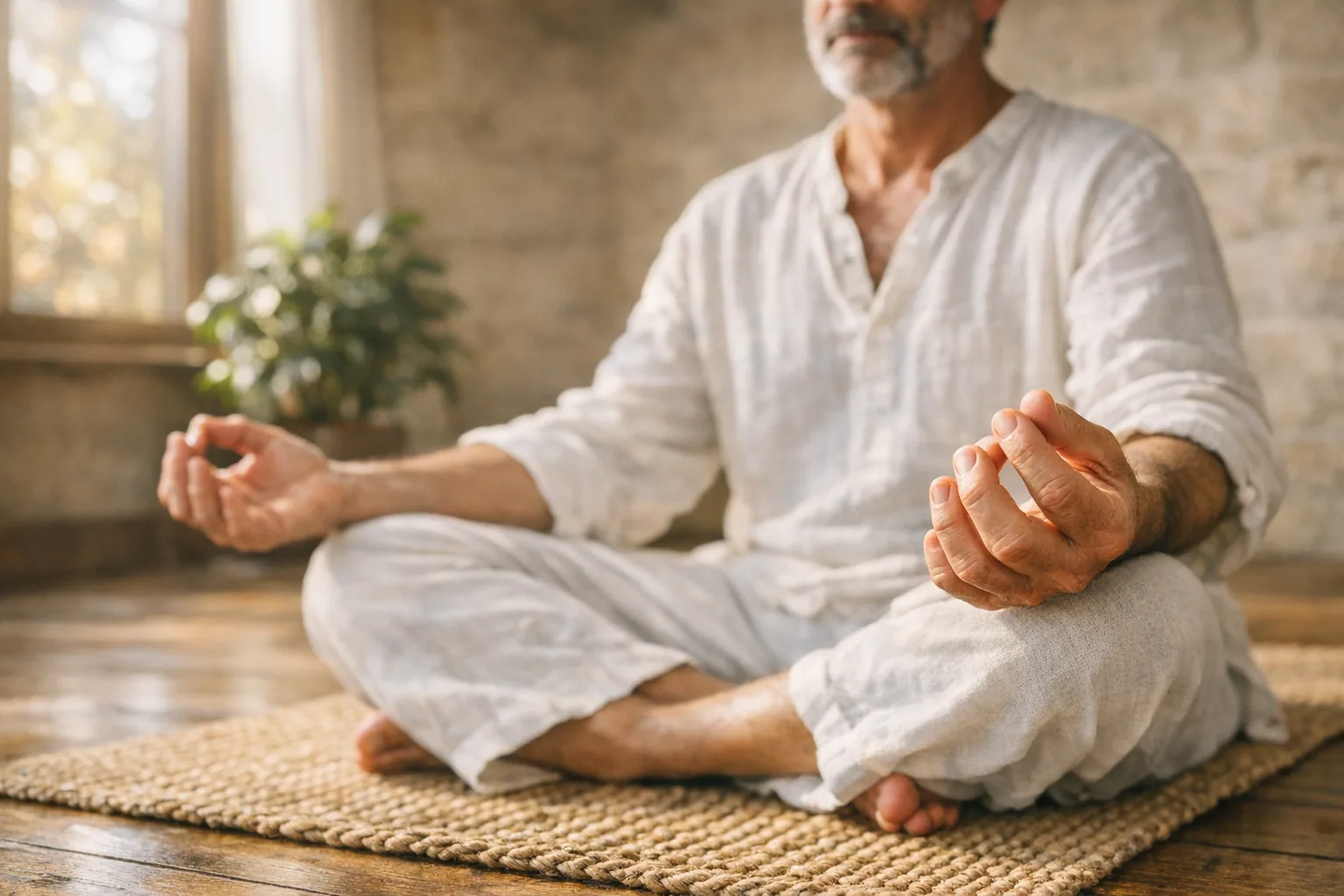
How a Retreat Can Change Your Life (Without Promising Miracles)
Retiru Team
The Retiru content team — yoga, meditation and ayurveda.
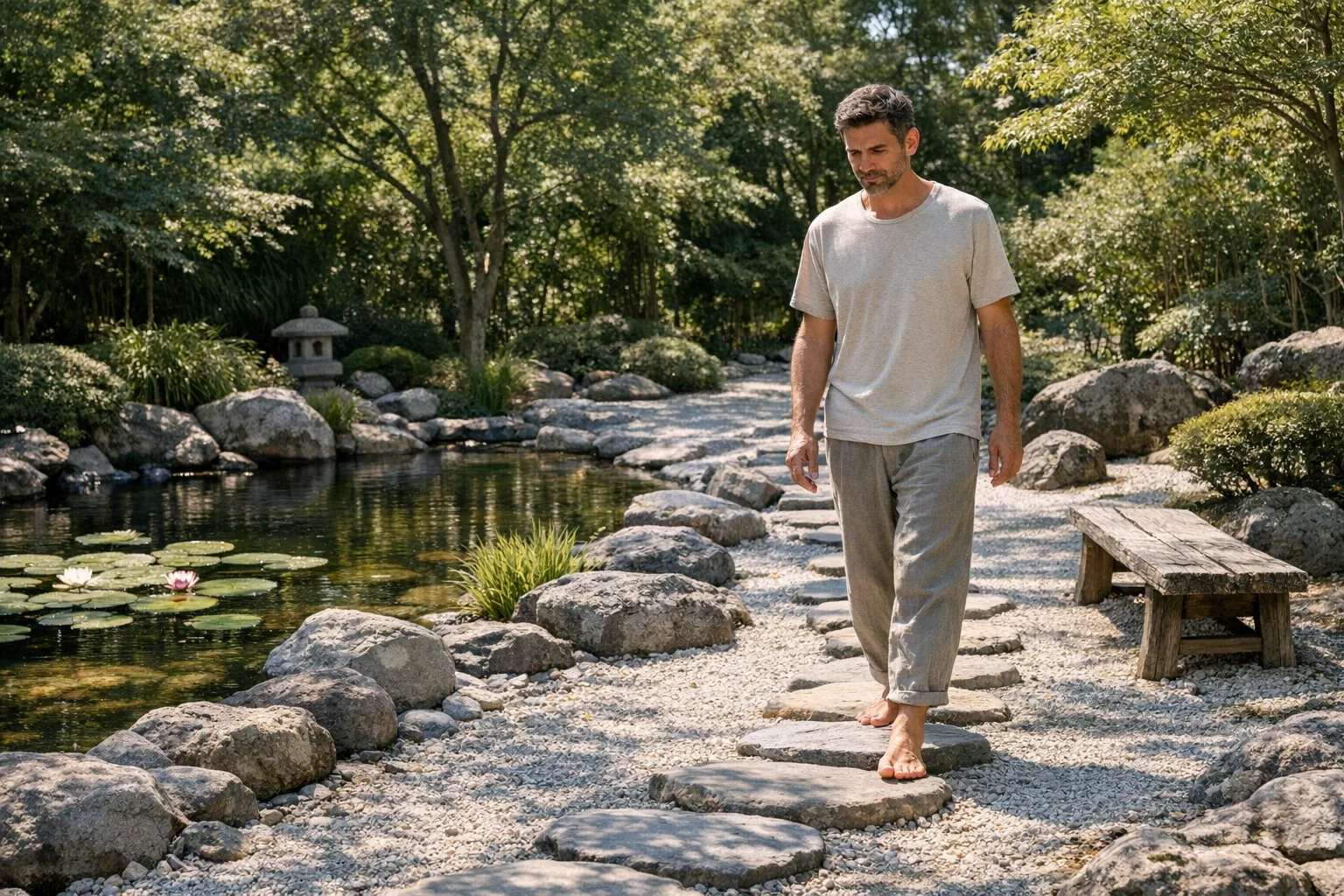
How a Retreat Can Change Your Life (Without Promising Miracles)
There are moments when you don’t need “more information,” another productivity routine, or a vacation week full of plans. What you need is space: to breathe, listen to what’s happening inside you, and regain a clearer way of being in the world.
A retreat — yoga, meditation, silence, Ayurveda, or simply conscious rest — can be that space. Not because it will “transform you” by magic, but because it creates conditions that are hard to achieve in everyday life: protected time, fewer stimuli, a cared-for environment, and a structure that supports you. When these pieces come together, something shifts.
Below, you’ll see concrete ways a retreat can change your life, what you can realistically expect, who it makes the most sense for, and how to choose one that truly fits you.
What Really Changes When You Go on a Retreat
A retreat doesn’t change your life because of the place itself, but because of what it makes possible:
- Interrupt automatic patterns (phone, urgencies, mental noise, other people’s agendas).
- Turn down external volume to hear your inner voice.
- Reconnect with your body (rest, movement, breathing, simple nutrition).
- Train attention with guidance and continuity (not just “meditating one day”).
- Feel accompanied by a group, a team, and a shared intention.
That combination can create small but decisive changes: sleeping better, regulating stress, feeling present again, resuming habits, making decisions with less noise, and above all, remembering what it feels like to be well (or at least, to be more at peace).
10 Ways a Retreat Can Change Your Life
- It Gives You Back Time (and With It, Perspective)
At home, even with good intentions, there’s always a “just one quick look” that ends up taking over everything. In a retreat, time is organized around the essentials: eating, resting, practicing, walking, being.
That simplicity lets you see more clearly:
- what’s draining you,
- what you’re holding on to out of inertia,
- what you really need.
Sometimes the biggest change is stopping the rush without knowing why.
- Your Nervous System Slows Down
This isn’t a therapeutic promise; it’s a common observation consistent with what we know about stress: when you reduce stimuli, sleep better, and breathe more consciously, the body usually responds.
Contemplative practices have been studied in relation to psychological well-being and stress reduction in various contexts (with nuances and variable results). For an overview based on evidence, you can explore information from organizations like the World Health Organization on health and lifestyle habits: WHO.
What is often noticed in a well-designed retreat:
- more calm in the evening,
- less “mental noise”,
- lighter digestion,
- a real sense of rest (even if you “did nothing”).
- You Learn to Be With Yourself Without Distraction
This can feel uncomfortable at first. When there are no screens, constant conversations, or tasks, emotions, doubts, or accumulated fatigue appear.
A retreat offers a safe framework to observe this with tools: guided meditation, breathing, writing, silent walks, gentle yoga. It’s not about “fixing yourself,” but about stopping running away from what was already there.
- You Reclaim Your Body as an Ally
Many of us only pay attention to the body when it hurts or when “training is required.” In a retreat, the body becomes a livable place again: conscious movement, rest, stretching, breathing, warmth, nature.
Even if you don’t do yoga, simply walking, sleeping, and eating without hurry changes your relationship with your body: less demand, more listening.
- Nature Repositions You
You don’t need to “get lost in the woods” to notice what happens when you’re surrounded by greenery, silence, or the sea. Research on exposure to natural environments and attention restoration has been developing for decades (for example, the Attention Restoration Theory). You can read an accessible summary on these ideas in academic and encyclopedic sources like Wikipedia – Attention restoration theory (as an entry point, not definitive evidence).
In everyday terms: in nature, the mind rests from being “on alert mode”.
- It Helps You Sustain Habits (Because You’re Not Alone)
In your normal life, willpower competes on many fronts. In a retreat, the environment is designed to facilitate what you want to cultivate: daily practice, rest, coherent nutrition, breaks.
That doesn’t guarantee you’ll keep everything once you’re back, but it does give you something very valuable: a reference experience. You know you can do it. You have lived it.
- It Offers Quality Guidance (And That Speeds Things Up)
The difference between practicing on your own and doing it with a good team is huge. A well-facilitated retreat:
- proposes progression (not just “random classes”),
- takes care of the pace,
- adapts to levels,
- and contextualizes what you do so it makes sense.
That guidance reduces frustration and increases continuity.
- It Reorders Priorities (And Makes You Make Decisions)
A retreat is not a counseling session, but it can be a place where you listen to yourself honestly. Sometimes you return with small decisions:
- adjusting schedules,
- saying “no” to something,
- returning to a practice,
- changing the way you rest.
And sometimes you return with big decisions: a relationship, a job, a move. Not because the retreat “tells you,” but because you finally hear yourself.
- It Reminds You That Belonging Also Heals
Many retreats have community without intrusion: you can share but also have your space. For those who feel lonely or overwhelmed by superficial relationships, living a few days with people who seek the same things (calm, presence, health) can be deeply restorative.
- It Gives You Practical Spirituality (If You Want It)
We’re not talking grand speeches, but something simple: feeling that your life has direction, values, and coherence. For some people, this comes with yoga; for others, with meditation, silence, or service. A retreat can help ground these ideas: how you live, how you eat, how you rest, how you talk to yourself.
What to Expect From a Retreat (And What Not To)
Realistic Expectations
- Returning more rested and clear-headed.
- Learning concrete tools (breathing, meditation, movement, routines).
- Noticing changes in your energy, sleep, or focus (sometimes from day two).
- Leaving with a clearer intention for your return.
What a Retreat Does Not Do For You
- It doesn’t “cure” anxiety, depression, or other mental health conditions by itself.
- It doesn’t replace medical or psychological treatment.
- It doesn’t resolve life conflicts without further work.
- It’s not always easy: sometimes it stirs things up.
If you are going through a delicate moment, a retreat can be good support if well chosen (gentle pace, containment, qualified facilitators). And if you have doubts, it’s advisable to consult a healthcare professional.
Types of Retreats That Tend to “Move” Things Most (Depending on What You Need)
Yoga Retreats: Body, Energy, and Habits
Ideal if you need to get moving again with purpose, regain flexibility, improve rest, and feel more grounded. They can vary greatly: from dynamic to restorative.
Meditation and Mindfulness Retreats: Mental Clarity and Presence
Good when you’re weighed down by excessive thoughts, distraction, or stress. Usually include guided practices, mindful walks, and silence.
Silence Retreats: Deep Reset (Not For Everyone)
If you’re looking for an intense internal listening experience, silence accelerates that. It can also be demanding: choose carefully if it’s your first retreat.
Ayurveda-Focused Retreats: Routine, Rest, and Self-Care
When the body calls for order: schedules, simple food, rest, massages (depending on the center), and gentle practices. If you want to familiarize yourself with the Ayurvedic framework, an introductory base is helpful; for a general reference: Wikipedia – Ayurveda.
How to Choose a Retreat That Truly Fits You (And Doesn’t Frustrate You)
- Define Your Intention in One Sentence
Examples:
- “I want to sleep and slow down.”
- “I want to resume my practice.”
- “I need clarity to decide something.”
- “I want to disconnect from my phone.”
That sentence helps you avoid impulsive choices.
- Look at the Pace: Intensive or Gentle?
- If you’re exhausted, prioritize rest and restorative practices.
- If you have energy and discipline, an intensive may fit.
- Check Who Facilitates and How It’s Structured
Look for:
- clear experience and training,
- coherent schedules (no marathon days),
- reasonable ratios,
- a pedagogical proposal (what you will do and why).
- Consider the Setting and Logistics
The “life change” falls apart if the trip leaves you drained. Sometimes the best retreat is one 2–3 hours away from home, in a natural environment, without complications.
For inspiration on places, you can explore wellness destinations in Spain in the Destinations at Retiru section.
- Make Sure the Retreat Fits Your Life Moment
- If you’re emotionally sensitive, maybe it’s not the time for strict silence.
- If you’re a beginner, look for retreats “suitable for all levels.”
- If you’re going alone, check if there are well-managed integration spaces.
How to Integrate the Retreat After You Return (So It Doesn’t Remain “A Nice Pause”)
The real change consolidates when you come back. Three simple keys:
- Choose a minimum habit (10 minutes of breathing, 15 minutes of movement, walking without your phone).
- Protect a weekly space (a class, an afternoon without screens, a guided practice).
- Review your intention at 7 days: What of what you experienced do you want to sustain?
If you want to keep exploring options and find a format that fits your real life, you can see available retreats at Retiru or discover centers and spaces organizing retreats.
Frequently Asked Questions (Quick and Honest)
Is a Retreat Only for People Who Already Practice Yoga or Meditate?
No. There are retreats designed for beginners. What matters is that the program indicates this and that the pace is friendly.
How Many Days Do I Need to Notice Something?
A well-designed weekend can mark a before and after, especially if you come overwhelmed. For deeper changes, 4–7 days usually provide more space.
What If I’m Afraid I Won’t “Fit In”?
It’s very common. A good retreat takes care of welcome and proposes coexistence without pressure. If it worries you, look for retreats with small groups or a support-focused approach.
Conclusion: The Change Is Not in Going Away, But in How You Come Back
A retreat can change your life when it gives you back something you had lost: presence, rest, clarity, body, direction. It’s not magic. It’s context, structure, and care. It’s finally giving yourself permission to stop and see.
If you’re at that point of “I need a reset, but I don’t know where to start,” calmly explore the catalog of retreats at Retiru and choose one that fits your moment: by discipline, destination, or level. Sometimes the first step isn’t to change everything; it’s to create the space where change becomes possible.
Ready for your next retreat?
Explore hundreds of retreats across Spain with transparent pricing.
Explore retreats