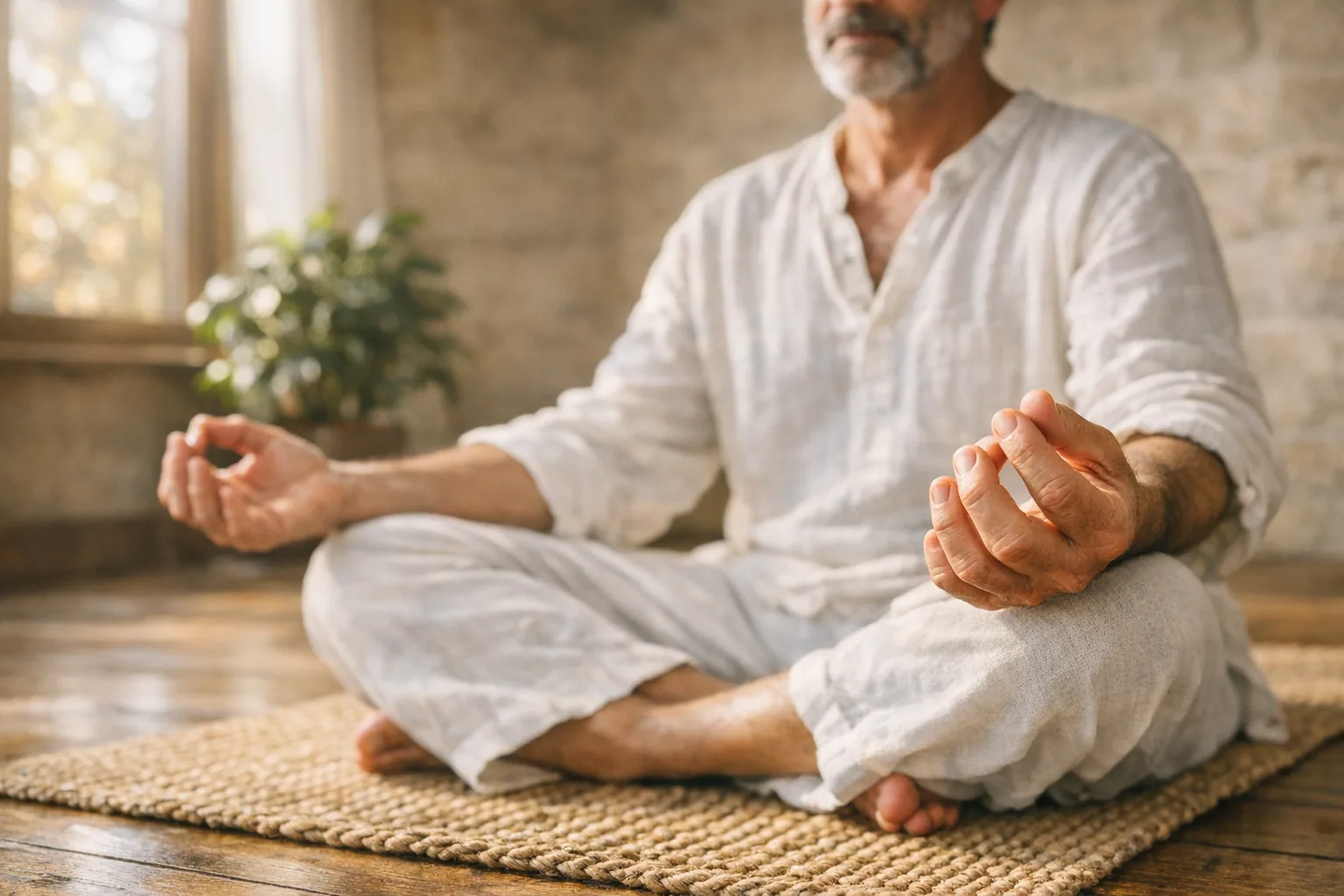
Benefits of Daily Meditation: What You Might Notice (and What the Evidence Says)
Retiru Team
The Retiru content team — yoga, meditation and ayurveda.
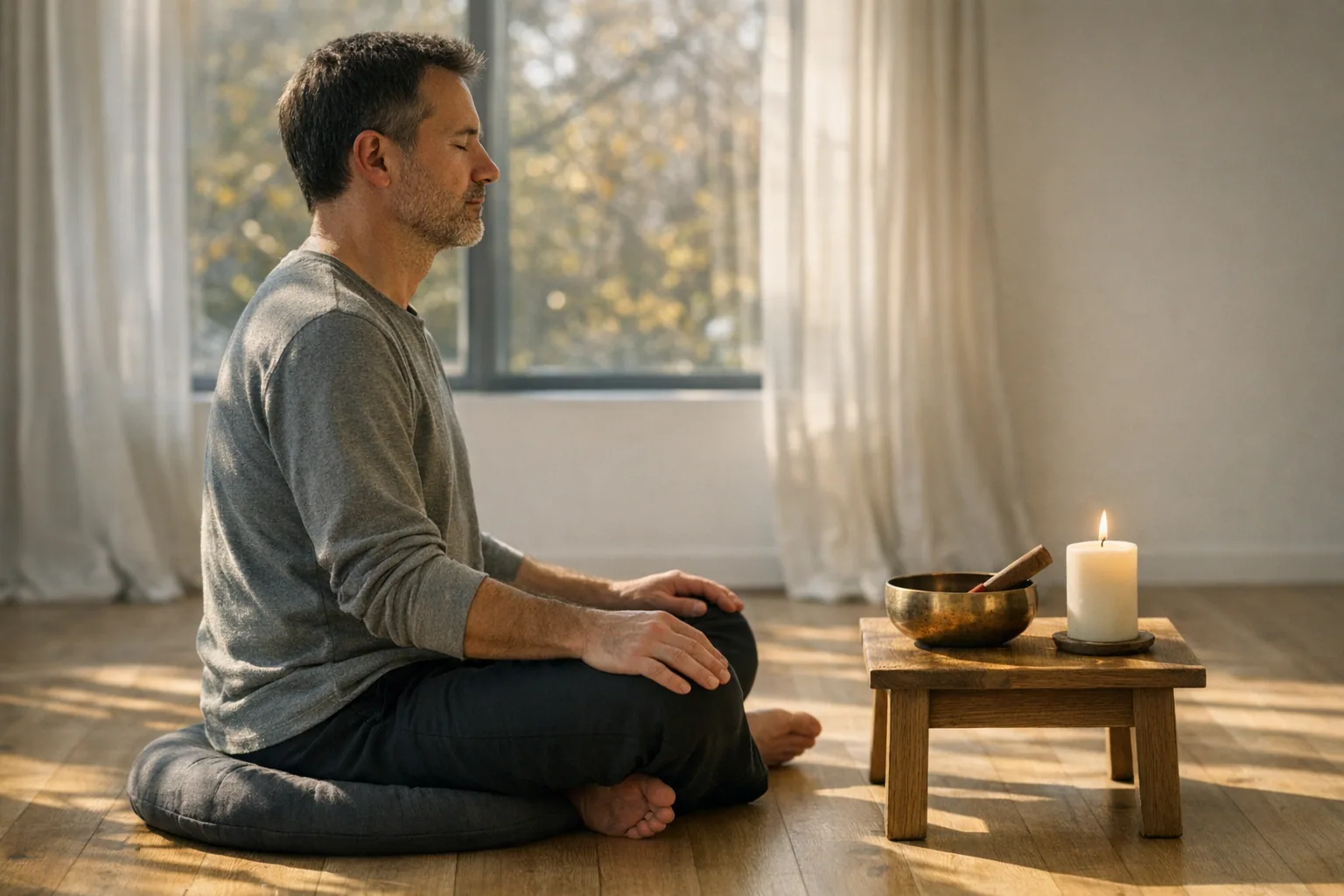
Benefits of Daily Meditation: What You Might Notice (and What the Evidence Says)
Meditating daily isn’t about “emptying your mind” or turning into a zen master overnight. It’s more like training: dedicating a few minutes each day to observe how your attention works, how you react to what’s happening, and how you relate to your thoughts and emotions.
The common—and very reasonable—question is: what is daily meditation really good for? Below you’ll find potential benefits with nuances, what people usually notice in everyday practice, and how to start with a realistic plan. No exaggerated promises and without turning meditation into a cure-all.
What We Mean by “Daily Meditation” (and Why It Matters)
When talking about benefits, it’s good to specify the “type” of meditation. In studies and health programs, the focus is mostly on practices such as:
- Mindfulness / mindfulness meditation, with focus on breathing, body, and sensations.
- MBSR (Mindfulness-Based Stress Reduction), an 8-week structured program developed by Jon Kabat-Zinn, widely used in clinical and educational settings.
- Compassion or loving-kindness meditation (metta).
- Contemplative practices focused on observation, silence, and emotional regulation.
In real life, “daily meditation” can mean anything from 5–10 minutes at home to longer sessions or retreats where practice intensifies. The dose and regularity matter.
Mental and Emotional Benefits of Meditating Every Day
- Reduced Perceived Stress and Better Response to Pressure
One of the most common reasons to start. Meditation doesn’t eliminate problems but can change the “autopilot mode” of your reactions. Many people notice:
- greater ability to pause before reacting
- less constant sense of urgency
- clearer prioritization
Evidence: organizations like the NCCIH (National Center for Complementary and Integrative Health) report that meditation/mindfulness practice can help with stress and general wellbeing, although results vary between people and studies. Source: NCCIH – Meditation
- Support with Anxiety Symptoms and Mood (Not a Substitute for Therapy)
Daily meditation can be a helpful tool to reduce rumination (repetitive negative thinking) and to train your relationship with anxious thoughts (“they are here, but they don’t control me”).
What it usually helps with in practice:
- recognizing mental spirals earlier
- learning to return to an anchor (breath, body, sounds)
- cultivating a less reactive and kinder attitude
Evidence: reviews and meta-analyses (for example, the well-known work by Goyal et al. in JAMA Internal Medicine) have found moderate improvements in anxiety and depression in some meditation programs, especially mindfulness. It’s not a “cure,” and it doesn’t work the same for everyone, but it can be a relevant support. Source: JAMA Internal Medicine – Meditation Programs for Psychological Stress and Well-being (Goyal et al.)
- Greater Emotional Regulation (Feeling Without Being Overwhelmed)
Daily meditation doesn’t aim for “feeling great all the time” but to increase your tolerance for feelings without losing yourself in them. Over time, many describe:
- intense emotions that last less
- easier labeling of what’s happening (“this is frustration,” “this is fear”)
- less impulsivity in arguments or quick decisions
Cognitive Benefits: Attention, Focus, and Clarity
- Training Attention (and Regaining Focus)
If your mind jumps from tab to tab—literally and figuratively—meditation is a gym for bringing it back to the present again and again.
What you may notice:
- greater ease finishing tasks without distraction
- less impulsive multitasking
- more “feeling present” in what you do
Research meta-analyses suggest improvements in some cognitive components in mindfulness programs, though results depend on the population and training.
Physical Benefits (With Caution)
- Better Rest and Sleep Quality
One of the most appreciated changes: not necessarily “sleeping more” but sleeping with less agitation. Daily practice—especially in the late afternoon/evening—can help:
- reduce hyperarousal (racing mind)
- ease transition to sleep
- handle awakenings with less struggle
Evidence: reviews point to improvements in sleep quality and insomnia in some mindfulness groups, with variable results. (Consistency tends to matter more than the perfect session.)
- Relationship with Pain and Body Tension
Meditation doesn’t “magically remove” pain but can change the experience: less resistance, less catastrophizing, more self-regulation. This is especially true when combined with body education, breathing, and gentle movement (mindful yoga).
Evidence: NCCIH also reports results in chronic pain, with modest benefits in some studies and inconclusive results in others. Source: NCCIH – Meditation
- Possible Effects on Physiological Markers (Stress, Inflammation, etc.)
Research explores mindfulness impact on markers like inflammation or cellular aging. There are promising results in some areas but nothing conclusive yet. The strongest evidence today tends to be in perceived stress, wellbeing, and some psychological symptoms.
Relational Benefits: How Your Way of Being With Others Changes
- More Patience and Better Communication (Because You React Less)
When you train the pause, space emerges to:
- listen without preparing a defensive reply
- notice patterns: “when I feel attacked, I interrupt”
- respond from a more conscious place
It’s not automatic or fast, but one of the most transformative changes mid-term, especially if combined with compassion practices or silent retreats.
Spiritual Benefits (No Pretenses): Meaning, Silence, and Connection
- Sense of Inner Coherence
For some, daily meditation opens a dimension of meaning, calm, and depth. It doesn’t have to be religious: sometimes it’s simply recognizing that there’s life “beneath” mental noise.
What Nobody Tells You: Meditation Isn’t Always Comfortable
Practice can stir things up. Some people—especially those with trauma histories, intense anxiety, or certain conditions—may experience difficult episodes (more anxiety, intrusive memories, etc.). It’s not usual but can happen.
If it does:
- reduce duration and intensity (e.g., 3–5 minutes)
- prioritize body-anchoring practices (gentle body scan) over open observation
- seek professional guidance (experienced teacher, psychologist, structured programs)
A review on adverse events in meditation shows these can occur and that context (e.g., intensive retreats) and personal factors influence this. When in doubt, better to be accompanied.
When Do You Notice Benefits of Daily Meditation?
It depends, but a realistic reference:
- 1–2 weeks: more awareness of thoughts, small pauses, better autopilot management.
- 3–8 weeks: clearer changes in perceived stress, reactivity, and habits (if consistent).
- 2–3 months: more stable improvements (attention, emotional regulation, rest), especially when adding informal practice (mindfulness while walking, eating, showering).
It’s not linear: there will be “bad” days too, and they count.
How to Start (Without Quitting After a Week): Simple 10-Minute Plan
Week 1 (5 minutes/day)
- Sit comfortably.
- 1 minute: notice your body.
- 3 minutes: breathing (feel the air going in and out).
- 1 minute: close with an intention (“today I return to the present when I get lost”).
Weeks 2–3 (7–10 minutes/day)
- Add body scan from feet to head.
- Or alternate: 1 day breathing, 1 day body scan.
Week 4 Onwards (10–15 minutes/day)
- Keep it simple.
- Include 1–2 minutes of loving-kindness: wishing well for yourself and someone else.
Golden rule: better 7 minutes daily than 30 minutes one day and nothing the rest.
Daily Meditation at Home vs. Retreat: What Each Offers
- At home: builds habit, integrates practice into real life, sustainable.
- Retreat: deepens rapidly, reduces stimuli, practices in group, receives guidance, and offers a silence experience hard to replicate in routine.
If you want to take the next step, you can explore a selection of meditation retreats or discover specialized centers where you can practice with support. To choose by location, the destinations in Spain section helps filter by type of getaway (nature, coast, mountains, weekend, silence).
Frequently Asked Questions About the Benefits of Daily Meditation
How long do I have to meditate for it to work?
With 5–10 minutes daily you can already notice changes (especially in attention and reactivity). The key is regularity.
Is it better to meditate in the morning or at night?
- Morning: helps start the day with more clarity and less mental rush.
- Night: may favor rest and closing the day.
The best time is the one you can sustain.
Can I meditate if I have anxiety?
Yes, but it’s good to start gently, with guided practices and body anchoring. If anxiety increases, reduce intensity and seek guidance.
Conclusion: The Greatest Benefit Is the Space You Create
Daily meditation doesn’t promise a life without stress; it offers something more useful: a margin of freedom between what happens to you and how you respond. That space—small at first—often translates into more calm, better focus, more restorative rest, and less reactive relationships.
If you want inspiration with more practices, approaches, and guides, you can visit the Retiru blog. And if you feel you could benefit from deeper pause, explore meditation retreats and getaways in Spain to find the format that fits you.
Ready for your next retreat?
Explore hundreds of retreats across Spain with transparent pricing.
Explore retreats