Ashwagandha: What It Is, What It’s Used For, and Why It Shouldn’t Be Taken Without Supervision
Retiru Team
The Retiru content team — yoga, meditation and ayurveda.
In recent years, Ashwagandha has become one of the most popular natural supplements in the wellness world. Associated with stress reduction, improved sleep, and emotional balance, this medicinal plant rooted in Ayurvedic tradition has attracted growing interest across both social media and integrative health spaces.
But what is really behind its popularity? What does science actually say? And is it safe for everyone?
Although ashwagandha may offer benefits in certain situations, it also comes with important contraindications and should not be taken indiscriminately. Understanding its effects, limitations, and potential risks is essential before incorporating it into any wellness routine.
What is Ashwagandha?
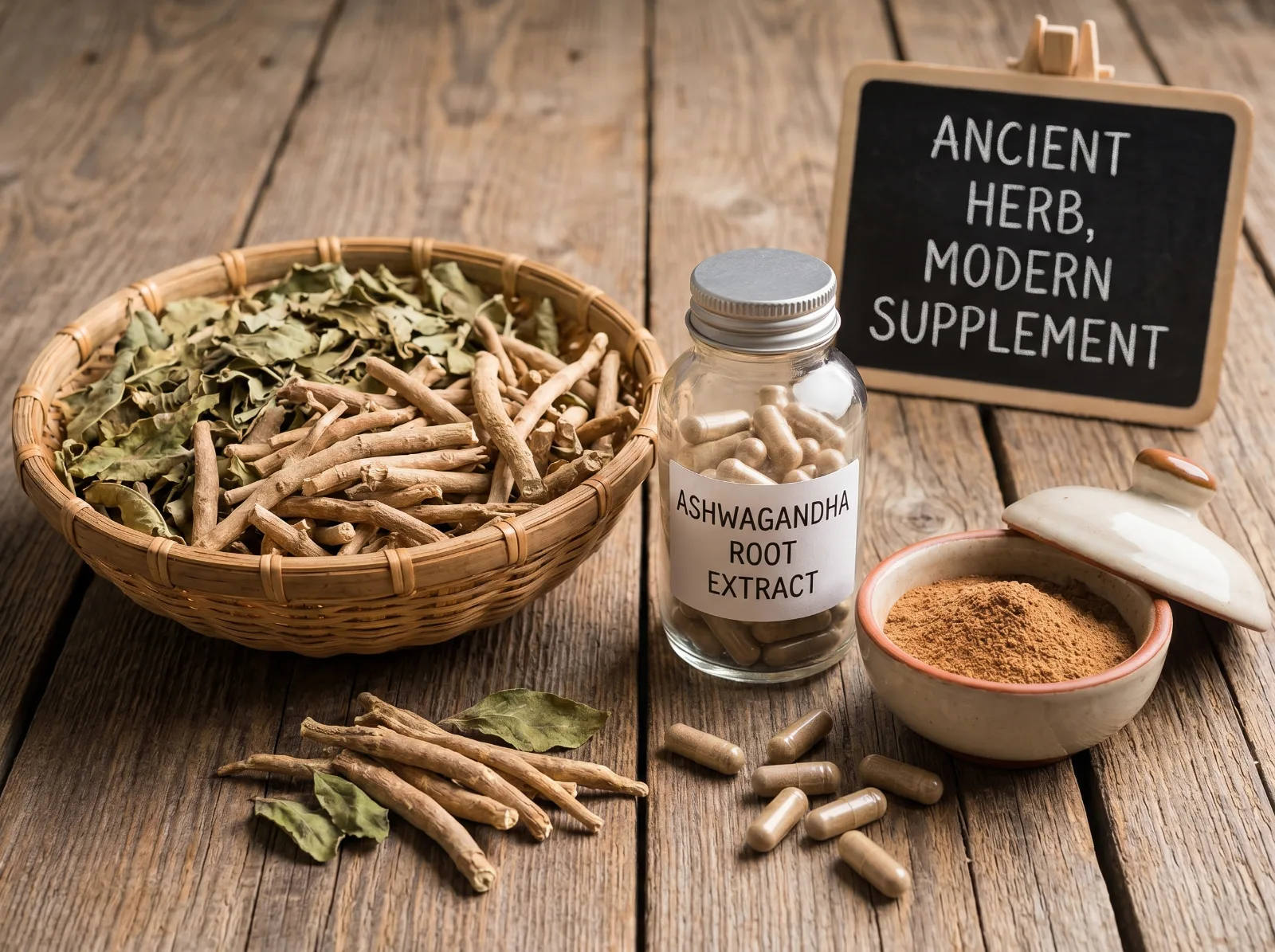
Ashwagandha (Withania somnifera) is a plant that has been used for centuries in traditional Ayurvedic medicine in India. It is classified as an “adaptogen,” a term used to describe substances that may help the body respond more effectively to physical and mental stress.
Its root contains bioactive compounds, particularly withanolides, which have been studied for their potential effects on the nervous system, sleep, and hormonal regulation.
Today, it is commonly sold in the form of capsules, extracts, powders, and herbal infusions.
Ashwagandha and stress: what does the evidence say?
One of the most common reasons people take ashwagandha is to help manage stress.
Some clinical studies suggest that certain ashwagandha extracts may help reduce cortisol levels — the hormone associated with the body’s stress response — while also improving subjective feelings of anxiety and fatigue.
In addition, some research points to potential benefits such as:
• improved sleep quality
• reduced mental fatigue
• enhanced sense of well-being
• support during periods of mild to moderate chronic stress
However, these findings should be interpreted with caution. While the research is promising, scientific evidence is still evolving and does not support the idea that ashwagandha is a universal solution or a substitute treatment for anxiety disorders, insomnia, or mental health conditions.
Can it help improve sleep?
The relationship between ashwagandha and sleep has gained increasing attention. Some studies suggest it may help people fall asleep more easily and improve overall sleep quality, particularly when insomnia is linked to stress or mental overstimulation.
Still, better sleep depends on many different factors:
• sleep habits
• screen exposure
• stress levels
• nutrition
• caffeine or alcohol consumption
• physical and emotional health
For this reason, no supplement should be viewed as a standalone solution. Sleep hygiene and professional evaluation remain essential when sleep problems persist.
Natural does not mean harmless
One of the most common misconceptions in the wellness industry is the assumption that “natural” products are automatically risk-free. In reality, ashwagandha can cause side effects and significant interactions.
Reported adverse effects may include:
• gastrointestinal discomfort
• drowsiness
• dizziness
• digestive disturbances
There are also situations in which its use requires special caution or should be avoided altogether.
Contraindications of ashwagandha
Ashwagandha is not recommended for everyone. It is especially important to consult a healthcare professional before taking it if any of the following apply:
• pregnancy or breastfeeding
• liver disease
• thyroid disorders
• autoimmune diseases
• treatment with anxiolytics, antidepressants, or sedatives
• medication for diabetes or high blood pressure
It is also important to remember that supplements can vary significantly in quality, concentration, and purity, especially when purchased without proper regulatory oversight.
The risks of self-medication in wellness culture
The rise of natural supplements has fueled a growing trend toward self-medication. Many people begin taking adaptogens or herbal products based solely on informal recommendations, social media content, or personal testimonials.
However, plant-based substances can still produce significant physiological effects.
Self-medicating may:
• delay proper diagnosis
• interfere with medical treatments
• cause adverse effects
• create unrealistic expectations around health and well-being
For this reason, any supplement should be used with informed judgment, reliable information, and ideally under professional supervision.
A more responsible approach to wellness
Ashwagandha may play a role in a broader wellness strategy for some individuals, especially when combined with healthy habits and appropriate guidance. But it does not replace rest, medical care, psychological support, or a balanced lifestyle.
True well-being rarely depends on a single product. More often, it is built through sustainable choices, scientific evidence, and a more conscious relationship with health.
Before incorporating any natural supplement into your routine, the best decision is still to seek reliable information and consult qualified healthcare professionals.
Ready for your next retreat?
Explore hundreds of retreats across Spain with transparent pricing.
Explore retreats