Ayurvedic Oils According to Your Dosha: A Practical Guide to Choosing the Best for Vata, Pitta, and Kapha
Retiru Team
The Retiru content team — yoga, meditation and ayurveda.
Ayurvedic Oils According to Your Dosha: A Practical Guide to Choosing the Best for Vata, Pitta, and Kapha
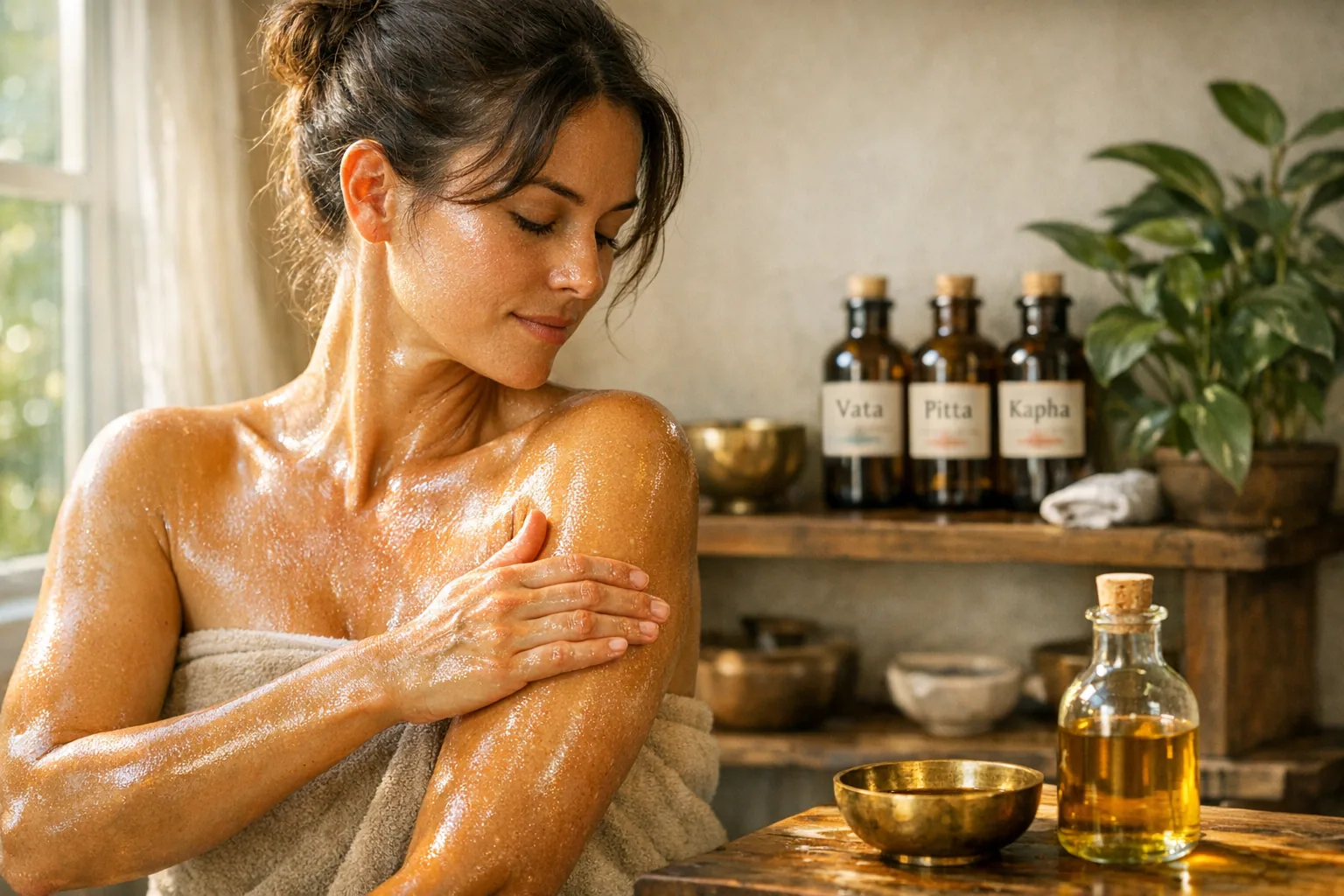
Choosing an Ayurvedic oil is not just about scent or texture: in Ayurveda, oil is considered a tool to balance the body and support the daily routine (dinacharya), especially through self-massage with oil (abhyanga). So, when you search for “Ayurvedic oils according to your dosha,” what you really need is clear guidance: which oils are usually recommended for Vata, Pitta, and Kapha, how to use them, and what nuances (season, skin type, sensitivity, goals) might influence the choice.
Below you have a complete, practical guide without grandiose promises, so you can choose wisely.
What Does “Ayurvedic Oil” Mean (and Why Dosha Matters)
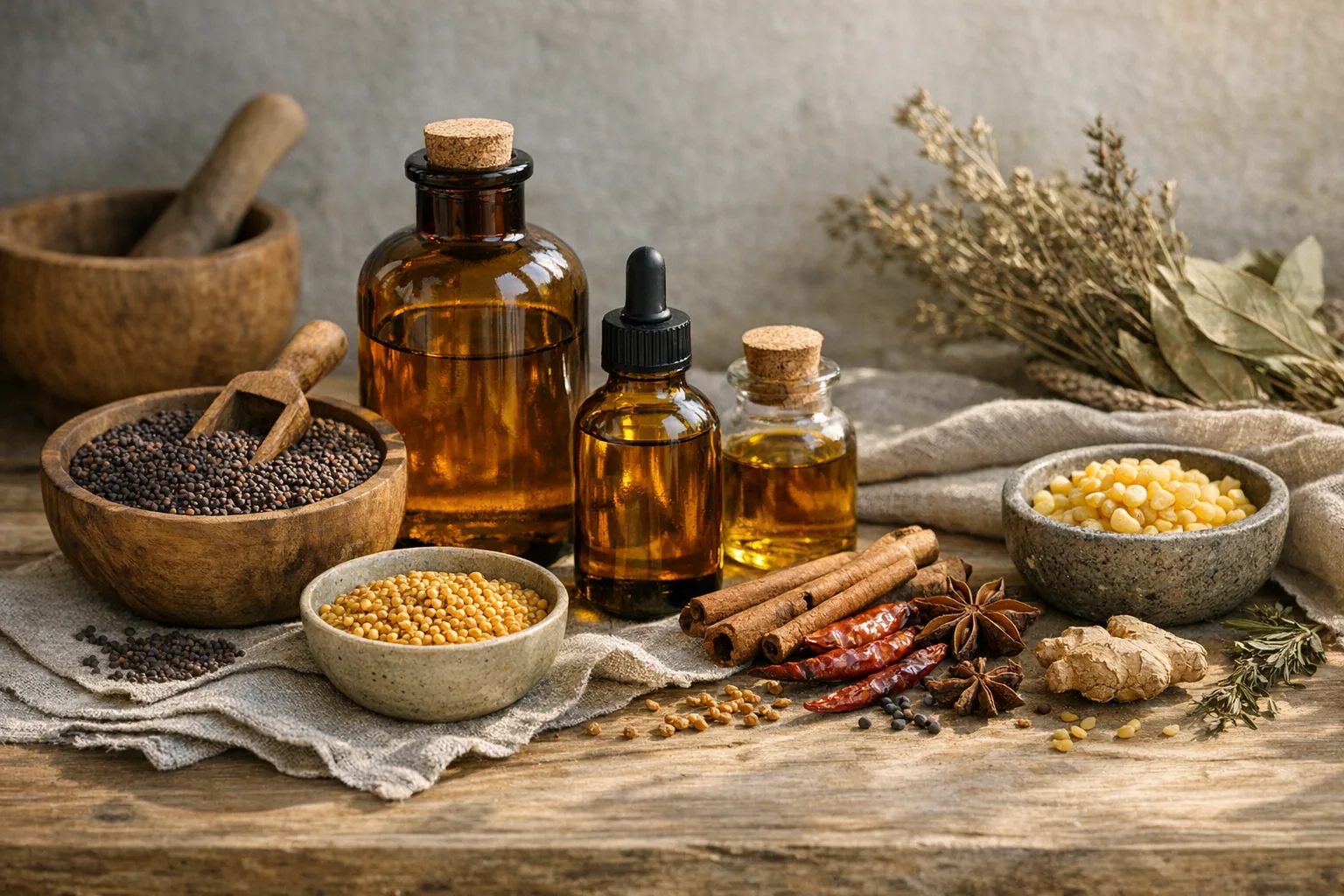
In Ayurveda, base oils are used (such as sesame, coconut, or olive) and sometimes medicated oils: traditional preparations where the oil is cooked/processed with plants to better target its action. In abhyanga, the oil is usually applied warmed and with mindful massage, aiming for a “nourishing” and balancing effect.
The Ayurvedic logic is simple:
- Vata tends to be dry, cold, and light → benefits from oils that are more nourishing, dense, and warming.
- Pitta tends to be hot and intense → benefits from oils that are cooling, calming, and less “heating”.
- Kapha tends to be heavy, cold, and stable → benefits from oils that are lighter, stimulating, and a more vigorous massage.
Responsible note: Ayurveda is a tradition with its own approach. If you have a dermatological condition, allergies, are pregnant, or undergoing medical treatment, consult a healthcare professional first and avoid formulas with essential oils or potentially irritating plants.
How to Know Your Dosha (in 2 Minutes, Without Complicating Things)
If you already know yours, skip to the next section. If not:
- If you often feel dryness, cold, a very active mind, irregular sleep, you may have a predominant Vata (or imbalanced Vata).
- If you tend to heat, redness, irritation, easily “flaring up”, it usually resonates with Pitta.
- If your tendency is heaviness, retention, congestion, sluggishness, it usually fits Kapha better.
In practice, many people are mixed (Vata-Pitta, Pitta-Kapha, etc.) and the “state” also changes with stress, season, or lifestyle. Think of oil as a fine-tuning tool: it’s not a fixed label, it is a resource.
Oils for Vata: Nourishment, Warmth, and Stability
Vata appreciates oils that “wrap” you and provide a grounding sensation.
Most Used Base Oils for Vata
- Sesame oil: the classic oil for traditional abhyanga. It is dense and generally considered warming and highly “nourishing” for dry skin.
- Sweet almond oil: gentle, emollient, a good option if sesame feels heavy or you have sensitive skin (always test tolerance).
- Olive oil (more common in the Mediterranean): can work for Vata due to its body and somewhat “warm” character, though it may feel intense for some skins.
When to Choose Vata Oils
- Dry or rough skin
- Feeling cold
- Nervousness, scattered mind, “electric” tiredness
- Season changes (autumn) or very busy periods
How to Use (Simple Abhyanga for Vata)
- Warm the oil slightly in a double boiler (lukewarm, never hot).
- Slow, enveloping massage (5–15 minutes), focusing on joints.
- Let it work for 10–20 minutes and then shower with warm water.
Oils for Pitta: Coolness, Softness, and Calm
Pitta balances with lighter oils that have a cooling quality.
Most Used Base Oils for Pitta
- Coconut oil: one of the most recommended when there is body heat, sensitive skin, or tendency to redness. Feels very soothing in summer.
- Sunflower oil: lighter than sesame, a good option for daily massage without a heavy feeling.
- Mild or fractionated olive oil (depending on tolerance): can fit if there is no excess heat.
When to Choose Pitta Oils
- Reactive skin, easy redness
- Feeling hot, hot flashes, irritation
- Summer or warm climates
- Moments of mental “overload”
How to Use
- Massage more gently than for Kapha, without excessive friction.
- Oil temperature: better warm or even room temperature if very hot.
Oils for Kapha: Lightness, Activation, and Drainage
Kapha usually appreciates stimulation and lightness: less dense oils and a more energetic massage.
Most Used Base Oils for Kapha
- Mustard oil (traditional in some routines): considered very stimulating and “heating,” but can be irritating on sensitive skin. Use carefully and test first.
- Safflower oil or other light oils: feel less heavy for massage.
- Sesame oil, but in smaller amounts or with a more vigorous approach: if it’s what you have, it can work by adjusting technique and duration.
When to Choose Kapha Oils
- Feeling heavy, sluggish, congested
- Cold and damp weather (winter/early spring)
- When you want to activate your body in the morning
How to Use
- More vigorous massage, especially on thighs, arms, and back.
- Better in the morning or before activity (if it suits you).
If You Are a Mixed Dosha: Combinations That Usually Work
- Vata-Pitta: sesame + coconut (adjust proportion depending on season: more coconut in summer, more sesame in autumn/winter).
- Pitta-Kapha: sunflower as base + a somewhat more dynamic massage routine (without overheating).
- Vata-Kapha: sesame with a more vigorous massage (to activate without drying).
If you don’t want to mix, a simple rule:
- Cold/dry → prioritize sesame or almond
- Heat/redness → prioritize coconut or sunflower
- Heaviness/congestion → prioritize lighter oils and active massage
“Medicated” Ayurvedic Oils: When They Make Sense
Ayurveda has oils infused with plants (classical formulas oriented to Vata, Pitta, or Kapha). They may make sense if:
- you have already tried a base oil and want to fine-tune,
- you want an oil for a specific routine (for example, rest, joints, very dry skin),
- you are guided by an Ayurvedic professional.
Caution is advised: some preparations can include potent extracts or essential oils. If you have reactive skin, less is more.
How to Apply Oil: Abhyanga Step by Step (At Home)
Abhyanga is the Ayurvedic oil massage traditionally used in daily routine. Usually done before showering.
- Choose the moment: morning (Kapha), evening/night (Vata), whenever suits you (Pitta, avoiding extreme heat).
- Warm the oil: especially helpful for Vata.
- Apply in this order:
- scalp (optional), ears (very typical for Vata),
- arms and legs with long strokes,
- joints with circular movements,
- abdomen gently in circles.
- Let it act: 10–20 minutes.
- Shower: warm water and a gentle cleanser. No need to over-remove the oil.
More important than perfect technique is consistency: 2–4 times a week can already make a difference in how you feel in your body.
Common Mistakes When Choosing Oil by Dosha
- Using a very “heating” oil on sensitive or red skin (for example, mustard oil in Pitta): can irritate.
- Choosing only by dosha without considering climate: in summer, even Vata may prefer a less warming base.
- Confusing “natural” with “always safe”: always patch test and avoid essential oils if you don’t tolerate them.
- Expecting “medical” results: oil can support wellbeing, rest, or bodily comfort, but does not replace treatments.
Frequently Asked Questions about Ayurvedic Oils and Doshas
What is the most “universal” oil if I don’t know my dosha?
Sesame oil is considered the classic oil for general abhyanga, especially in cold or dry seasons. If your skin is reactive or you have a lot of heat, start with sunflower or coconut.
Can I use essential oils?
You can, but very cautiously: always well diluted and avoid if pregnant, with dermatitis, sensitive asthma, or other conditions. For a simple Ayurvedic routine, they are not essential.
Oil on the head: yes or no?
In Ayurveda, it is common, especially for Vata (scalp, temples, ears). If you tend to oiliness or dermatitis, adjust frequency and amount.
Taking This Practice to a Retreat: When You Really Notice It
Many people integrate abhyanga more consistently when they are outside their routine: fewer screens, more rest, simpler meals, and time for the body. If you want to explore Ayurveda with guidance, you can find options in Retiru’s selection of retreats or explore specialized centers. If you want to choose by environment (sea, mountain, inland), you have inspiration in wellness destinations in Spain.
To keep learning and fine-tuning your routine, you can read more on Retiru’s blog.
Conclusion: The Best Ayurvedic Oil Is the One That Balances Your “Today”
The most useful way to choose Ayurvedic oils according to your dosha is to combine two ideas: your constitution (Vata, Pitta, Kapha) and your current state (climate, stress, skin, energy). If in doubt, start simple:
- Vata → sesame or almond (warmed, slow massage)
- Pitta → coconut or sunflower (gentle, without overheating)
- Kapha → lighter oils or mustard cautiously (vigorous massage)
And if you want to take the next step, a retreat with an Ayurvedic focus can help you experience it with guidance and context beyond theory. Explore Retiru when you’re ready to turn this practice into a full experience.
Ready for your next retreat?
Explore hundreds of retreats across Spain with transparent pricing.
Explore retreats